
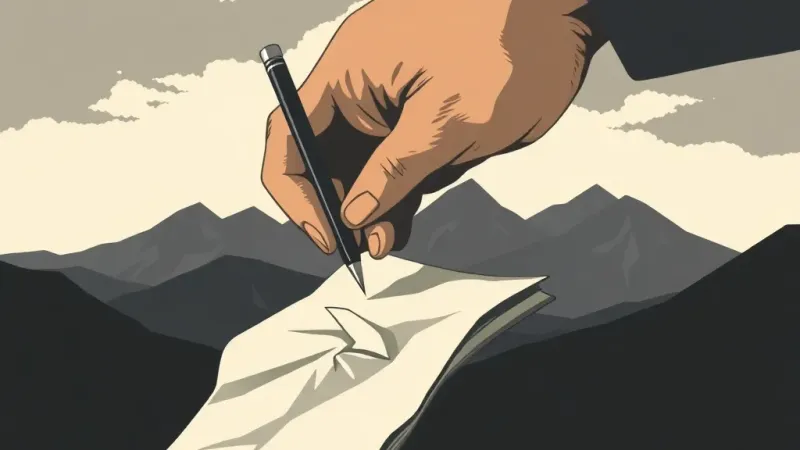
Kabul, Afghanistan — International outcry has mounted following reports that the Taliban authorities have detained three journalists in Afghanistan, triggering strong condemnations from the United Nations and various media rights organizations. The arrests underscore a rapidly deteriorating environment for independent reporting in the war-torn nation, where the nascent media landscape established over two decades is steadily being dismantled.
The UN Assistance Mission in Afghanistan (UNAMA) issued a statement expressing grave concern over the detentions, urging the Taliban to respect the fundamental rights to freedom of expression and the press. Concurrently, press freedom groups such as the Committee to Protect Journalists (CPJ) and Reporters Without Borders (RSF) have called for the immediate and unconditional release of the detained individuals, emphasizing that journalism is not a crime. While the specific identities of the journalists have not been widely publicized for security reasons, sources indicate they were apprehended in separate incidents across the country over the past week, allegedly for reporting on sensitive social and political issues deemed critical of the interim administration.
Since regaining control in August 2021, the Taliban initially pledged a more moderate stance compared to their previous rule in the 1990s, including assurances for press freedom within the bounds of Islamic law. However, these recent actions represent a stark contradiction to those early promises. Numerous media outlets have been forced to close, and countless journalists have fled the country due to intimidation, arbitrary detentions, and restrictive new regulations. The remaining journalists operate under a constant cloud of fear, with self-censorship becoming an unfortunate necessity for survival.
"The pattern is clear: a calculated effort to silence dissenting voices and control the narrative," stated Dr. Lena Khan, a prominent independent media analyst based in Islamabad, commenting on the situation. "These arrests send a chilling message to anyone attempting to report honestly about the realities of life under Taliban governance. It's an attempt to blind both the Afghan public and the international community to critical developments."
The continued suppression of independent media not only deprives the Afghan populace of crucial information but also further isolates the Taliban on the global stage. International organizations and foreign governments have repeatedly linked humanitarian aid and diplomatic recognition to improvements in human rights, including freedom of expression. The detention of journalists actively undermines any efforts by the de facto authorities to foster trust and engagement with the wider world.
As calls for their release intensify, the focus remains on the well-being of the detained journalists and the future of media in Afghanistan. The international community reiterates its demand for the Taliban to honor its commitments, release all unjustly imprisoned journalists, and create an environment where independent reporting can safely resume, a cornerstone of any functional society. The current trajectory suggests a dangerous path towards total information control, with severe ramifications for millions.