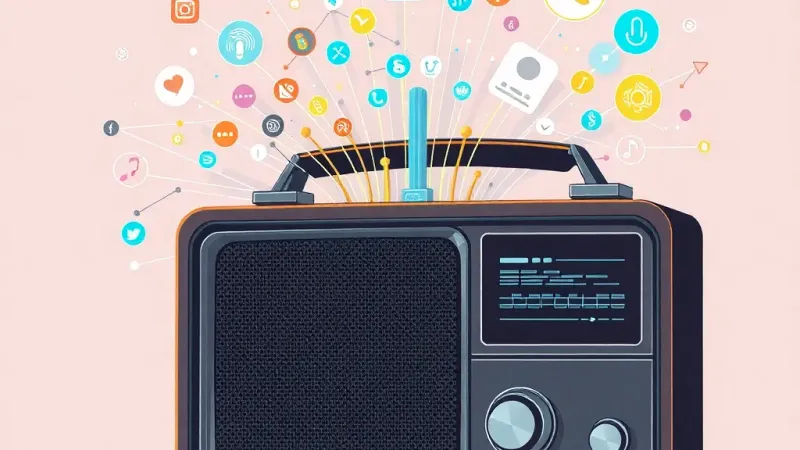
The venerable medium of radio is undergoing its most significant transformation in decades, as broadcasters across the globe aggressively pivot towards digital platforms to secure their future in an increasingly fragmented media landscape. What was once primarily an over-the-air experience is rapidly evolving into a multi-platform ecosystem, embracing streaming, podcasting, and interactive digital content. This seismic shift, highlighted by industry analysis from publications like Radio Ink, underscores a vital strategic imperative: adapt or risk obsolescence. The move is driven by shifting listener demographics, who increasingly consume audio content via smart devices, and by advertisers seeking more precise targeting and measurable engagement.
Leading the charge are innovative approaches spanning the entire digital spectrum. Major radio groups are investing heavily in robust streaming infrastructure, allowing listeners to access live broadcasts and on-demand content through dedicated mobile applications and web portals. Podcast networks, often spin-offs of popular on-air shows or entirely new digital-first productions, are flourishing, tapping into niche interests and extended narrative formats. Social media engagement has become paramount, with stations using platforms like X (formerly Twitter), Instagram, and TikTok to foster community, share behind-the-scenes content, and conduct real-time listener interactions. Furthermore, the ubiquitous rise of smart speakers has cemented radio's place in the connected home, offering seamless access to traditional and digital audio experiences.
The impact of this digital embrace is already evident in both listenership metrics and revenue streams. According to a recent report from the Global Audio Alliance, digital consumption now accounts for over 35% of total radio listening hours among adults aged 18-34, a 15% increase over the past three years. Advertisers, enticed by detailed analytics and programmatic ad opportunities, are redirecting budgets towards these digital channels. "The days of simply broadcasting into the ether are behind us," stated Dr. Alistair Finch, a senior analyst at MediaMetrics Pro. "Today's radio is about personalized experiences, interactive communities, and data-driven engagement. Those who ignore this shift do so at their peril."
Despite the clear advantages, the transition is not without its challenges. Significant capital investment is required for technology upgrades, content creation, and digital marketing. Many smaller, independent stations face an uphill battle to compete with the resources of larger media conglomerates. There's also the delicate balance of maintaining the core appeal of traditional radio while innovating for digital. Concerns about audience fragmentation and the struggle to monetize every new digital touchpoint persist. However, the consensus among industry leaders suggests that the long-term benefits of digital integration far outweigh these initial hurdles, offering a pathway to expanded reach and sustained relevance.
Forward-thinking broadcasters are demonstrating the blueprint for success. Meridian Media Group, for instance, a multi-state radio operator, recently launched "EchoStream," a comprehensive digital platform that aggregates its 42 stations' live feeds, over 100 original podcasts, and interactive listener forums. Their investment resulted in a 20% increase in digital ad revenue in its first year and a 15% growth in overall unique digital listeners. This strategy positions radio not just as a survivor, but as an innovator in the dynamic digital audio space. The future of radio, it appears, will be heard not only on the airwaves but increasingly, and perhaps predominantly, through the omnipresent algorithms that power our digital lives.