The rapid proliferation of artificial intelligence tools, from advanced language models to sophisticated data analytics, has ignited a profound debate across higher education. Universities are now at a critical juncture, navigating the transformative potential of AI against growing concerns regarding academic integrity and the very essence of learning itself. Santa Clara University, like many of its peers, finds itself at the forefront of this evolving challenge, seeking to establish guidelines and integrate these powerful technologies responsibly.
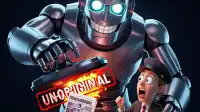
The immediate impact of AI on academic integrity has been a central point of contention. Tools capable of generating sophisticated text, coding solutions, or even creative works have blurred the lines of authorship, compelling educators to reconsider traditional assessment methods. "The ease with which students can leverage AI to bypass genuine engagement with course material is deeply troubling," states Dr. Anya Sharma, a Professor of English Literature, who has observed a marked shift in student submissions. "We risk fostering a generation that relies on algorithms rather than developing their own critical thinking and analytical skills."
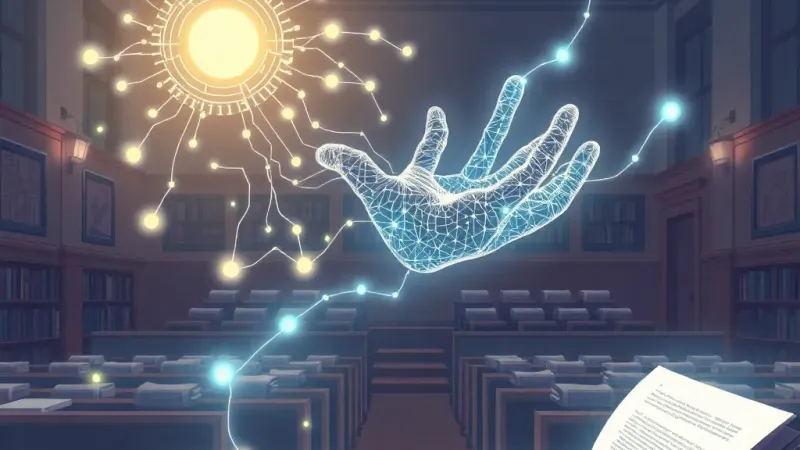
However, the narrative is not solely one of apprehension. Many educators and technologists argue that AI, when properly integrated, holds immense promise for personalized learning, research acceleration, and administrative efficiency. Professor David Kim, Director of a Digital Learning Initiative at a prominent west coast university, highlights AI's capacity to democratize access to knowledge and tailor educational experiences. "Imagine an AI tutor that adapts to each student's pace and learning style, providing instant feedback and targeted resources," Kim suggests. "The goal isn't to replace human intellect but to augment it, freeing educators to focus on deeper, more interactive forms of teaching."
In response to this two-sided coin, institutions are moving swiftly to develop new policies and adapt curricula. Santa Clara University has initiated discussions among faculty, academic leadership, and students to forge a comprehensive approach. This includes updating honor codes to specifically address AI usage, exploring AI detection software, and perhaps most importantly, designing assignments that require critical engagement beyond simple information recall—tasks where human creativity, ethical reasoning, and nuanced understanding remain paramount. There's also a growing emphasis on teaching students *how* to use AI ethically and effectively, viewing it as a crucial digital literacy skill for the 21st century workforce.
The future of education in an AI-driven world remains an open question, with no easy answers. The current discourse at Santa Clara University and other institutions reflects a broader societal reckoning with technology's accelerating pace. As these tools become increasingly sophisticated, the academic community must continually reassess its pedagogical strategies, ensuring that the core mission of fostering independent thought and profound understanding continues to thrive amidst technological innovation.