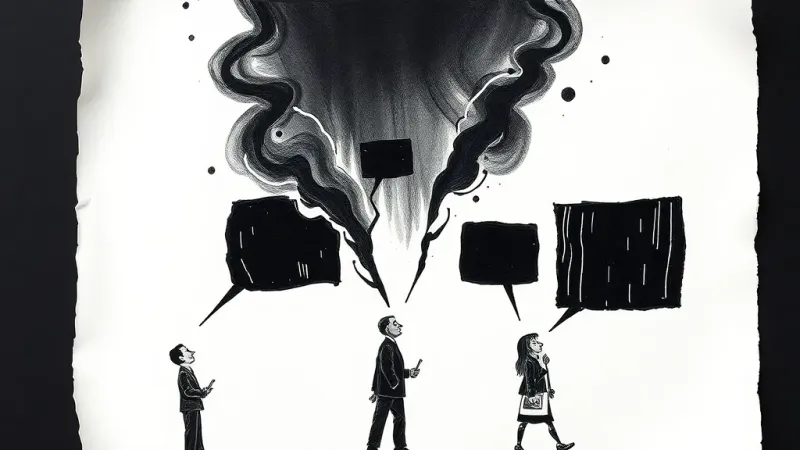
Dhaka, Bangladesh — A vital pillar of democratic discourse is quietly receding from the public eye in Bangladesh: the political cartoon. Once a staple of daily newspapers, offering sharp wit and incisive visual metaphors, this potent form of satire faces an unprecedented decline, leaving a significant void in the nation’s socio-political landscape. The once-vibrant canvas where artists fearlessly challenged power and illuminated societal absurdities is increasingly barren, sparking concerns among free speech advocates and media observers alike.
For decades, political cartoons in Bangladesh served as a cornerstone of public conversation, conveying complex political narratives with immediate impact. From anti-autocracy movements to contemporary governance, these visual commentaries provided a unique lens through which citizens could process, critique, and even laugh at the powerful. Master cartoonists enjoyed widespread recognition, their work often sparking national debate and embodying the collective frustrations and hopes of the populace.
The reasons for this retreat are multi-faceted, ranging from economic pressures to evolving media consumption habits and, critically, a palpable apprehension within newsrooms. Many traditional media outlets, grappling with dwindling revenues and digital transformation, find it difficult to justify dedicated political cartoonists. The rapid ascendance of social media, while offering new platforms, has simultaneously fragmented attention and diluted the collective impact a powerful newspaper cartoon once wielded.
"The space for genuine, provocative satire has undeniably shrunk," stated Ms. Nafisa Begum, a veteran editor with over thirty years in Bangladeshi journalism. "It's not just direct censorship; it's often insidious self-censorship born from a climate where criticism, even through humor, can invite unforeseen consequences. Editors and artists are increasingly wary, which ultimately stifles creativity and muzzles a crucial voice." Her observations underscore the subtle chill that has settled over this expressive art form.
The decline of political cartooning represents more than just the loss of an art form; it signifies a diminishment of a critical societal mirror. These cartoons historically possessed a unique ability to simplify complex issues, provoke thought, and foster public engagement. Their absence deprives citizens of an accessible avenue for critical reflection, potentially leading to a less informed and less critically engaged populace. This void leaves a significant gap in the robust exchange of ideas necessary for a healthy democratic environment.
As Bangladesh navigates its future, the fading ink of its political cartoons stands as a stark reminder of the changing dynamics of media, expression, and dissent. Reinvigorating this unique form of commentary will require not only economic innovation within media houses but also a renewed commitment to fostering an environment where satire can thrive without undue constraint, ensuring this visual voice does not vanish entirely.