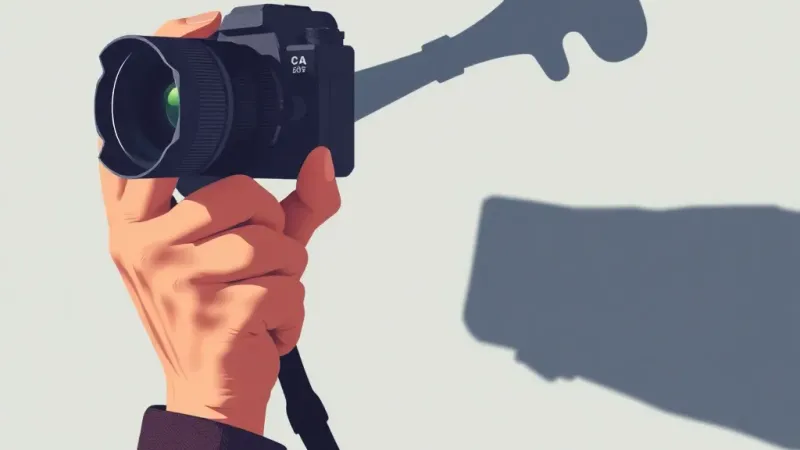
BRASÍLIA — A recent Brazilian court ruling has sent ripples of concern through the nation's journalistic community, particularly among photojournalists who routinely operate in dangerous and volatile environments. The decision, though not explicitly targeting the press, is being widely interpreted as creating significant legal ambiguities and heightened liability for media professionals documenting events on the front lines, thereby underscoring the already perilous nature of their work.
Photojournalists are often the public’s eyes and ears in moments of crisis, capturing raw, unfiltered images that inform national discourse and hold power to account. From violent street protests and land conflicts in the Amazon to confrontations with organized crime in urban favelas, these professionals face a constant barrage of threats, including physical assault, equipment confiscation, and intimidation. This new legal landscape, advocates argue, could further expose them to civil or even criminal charges related to their presence and actions while covering such events, even when performing their duties responsibly.
“This ruling casts a chilling shadow over our ability to document critical events without fear of disproportionate legal reprisal,” stated Maria Clara Santos, a veteran photojournalist with over two decades of experience covering social movements across Brazil. “When we are out there, we are often caught between conflicting parties, striving to capture the truth. To now face potential legal action simply for being present and doing our job jeopardizes not only our safety but the public’s right to see and understand what is happening.”
The implications for press freedom are substantial. Critics of the ruling fear it could lead to increased self-censorship, as media outlets and individual journalists might hesitate to deploy reporters to high-risk zones if they face expanded legal burdens. This could result in a significant decrease in visual documentation of crucial social, political, and environmental issues, ultimately diminishing transparency and accountability in a democratic society.
Journalism organizations across Brazil have begun consultations to understand the full scope of the decision’s impact and to explore avenues for ensuring the continued protection of media workers. They emphasize the fundamental role of a free press in a democracy and call for clear legal frameworks that protect journalists’ ability to report from all corners of the nation, especially its most dangerous ones, without undue legal threat.
As the debate continues, the focus remains on ensuring that the pursuit of truth through visual storytelling does not come at an impossibly high legal price, threatening to silence the very voices vital for an informed citizenry.