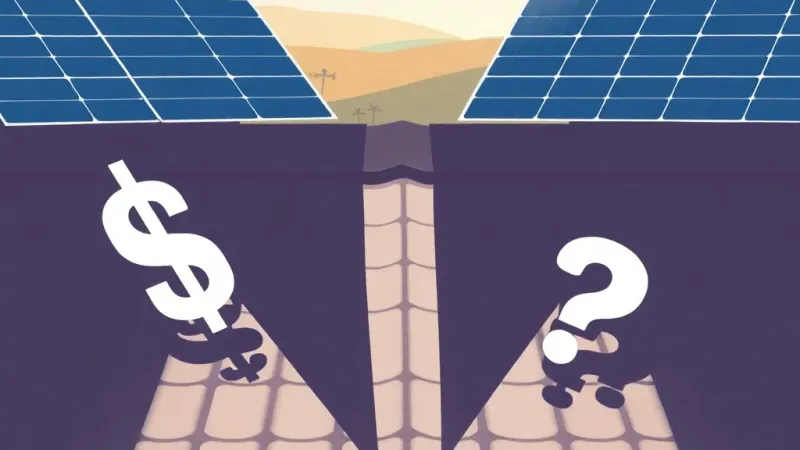
SACRAMENTO, CA — California's ambitious push for renewable energy, significantly bolstered by rooftop solar installations, is once again at the heart of a contentious economic debate. While critics frequently decry the programs as disproportionately costly and burdensome for non-solar ratepayers, a growing chorus of energy analysts and advocates maintains that these arguments fundamentally misunderstand the financial intricacies and societal advantages of distributed generation.
At the core of the disagreement is the perception of affordability. Opponents of California’s solar incentives often contend that these subsidies shift the financial burden to lower-income households and those unable to install solar panels, raising their utility bills. However, proponents counter that such perspectives overlook the substantial grid benefits, long-term energy independence, and environmental dividends that rooftop solar provides, asserting that the programs ultimately contribute to a more stable and cost-effective energy future for all Californians.
"The narrative that rooftop solar is an elite luxury or a drain on the grid is dangerously misleading," stated Dr. Aris Thorne, an independent energy economist with a focus on sustainable infrastructure. "When we factor in the avoided costs of new transmission lines, reduced peak demand stress on the grid during scorching summer afternoons, and the inherent hedge against volatile fossil fuel prices, the picture shifts dramatically. Homeowners are not just producing their own power; they're contributing a vital, decentralized resource to the statewide energy portfolio."
Indeed, proponents point to studies suggesting that the financial benefits of rooftop solar, including avoided power plant construction and operational costs, can outweigh the incentive payments. Furthermore, the rapid adoption of solar technology has driven down installation costs over the past decade, making it increasingly accessible across diverse socioeconomic strata, particularly when combined with state and federal incentives. The argument is often made that early investments in solar technology pave the way for broader affordability down the line, much like any nascent technology.
The debate also touches upon California's broader climate goals. The state has committed to achieving 100% clean electricity by 2045, a target that experts believe is virtually unattainable without significant contributions from distributed solar generation. Relying solely on large-scale utility projects, proponents argue, would require massive land acquisition, extensive new transmission infrastructure, and considerably longer development timelines, potentially at a higher overall cost and with greater environmental impact. The distributed nature of rooftop solar allows for quicker deployment and reduces the need for costly grid upgrades that are often passed on to all consumers.
As California continues to navigate its energy transition, the discourse around rooftop solar's true affordability and its role in the state’s energy future remains central. Experts suggest that a holistic view, accounting for environmental, economic, and grid stability factors, is essential for an accurate assessment, moving beyond superficial cost analyses that overlook crucial long-term benefits.