
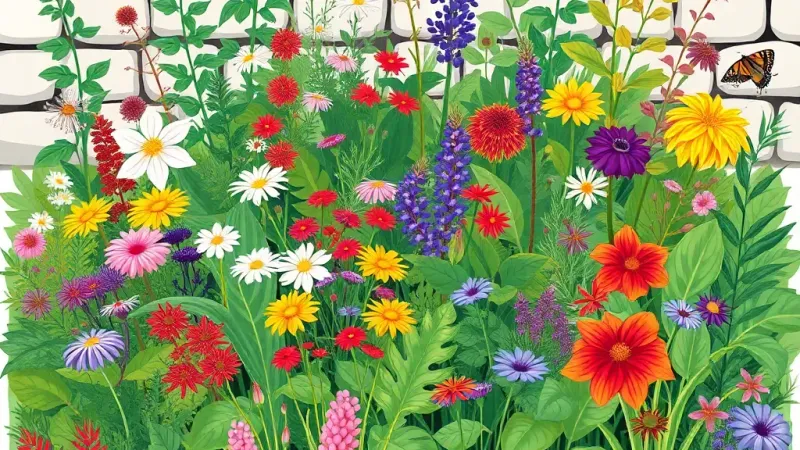
The digital landscape has cultivated a new horticultural phenomenon: 'chaos gardening.' This unconventional approach, characterized by the seemingly random scattering of various seeds across a plot, has surged in popularity on social media platforms, capturing the imagination of aspiring and seasoned gardeners alike. Promising a low-effort, high-reward method for creating vibrant, biodiverse green spaces, the trend now faces scrutiny in Connecticut, where distinct climatic conditions and ecological concerns prompt a critical examination of its efficacy.
At its core, chaos gardening rejects traditional row planting and meticulous spacing in favor of a more natural, intertwined growth pattern. Proponents laud its ease of implementation, the potential for unexpected aesthetic beauty, and its capacity to foster increased biodiversity by creating habitats for pollinators and beneficial insects. Viral videos showcase lush, spontaneous landscapes bursting with color and texture, often achieved with minimal intervention beyond the initial seed dispersal. This allure of effortless abundance has resonated deeply with a generation seeking both environmental connection and time-saving solutions.
However, the picturesque online portrayals often omit the nuanced realities of successful cultivation. In Connecticut, where soil composition can range from rich river valley loam to rocky, glacial till, and where seasonal variations are pronounced, a purely haphazard approach can yield unpredictable results. The state's temperate climate, while generally favorable for a wide array of plant life, also presents challenges such as late frosts, humid summers conducive to fungal diseases, and a robust population of native and non-native wildlife that can impact undeveloped plots.
Eleanor Vance, a seasoned landscape designer based in Fairfield County, suggests a tempered enthusiasm. "While chaos gardening appears to be entirely random, successful implementations often involve an underlying understanding of plant compatibility and local ecology," Vance states. "It's about working *with* nature, not just letting things go wild. Careful seed selection, especially prioritizing native or well-behaved non-invasive species, is paramount to prevent ecological disruption and ensure a thriving, rather than overwhelming, environment."
Conversely, Dr. Marcus Thorne, a horticulturalist with the Connecticut Agricultural Experiment Station, voices a more traditional caution. "Without proper soil preparation, adequate sunlight, and strategic spacing, plants engage in aggressive competition for finite resources," Dr. Thorne explains. "What might look effortlessly beautiful in a highly edited social media reel can quickly devolve into a struggle for survival, particularly for edible plants that require specific conditions to produce a viable harvest. The risk of promoting invasive species, if seeds aren't carefully vetted, is also a significant concern for our local ecosystems."
For Connecticut residents eager to embrace the trend, experts recommend a hybrid approach. This might involve selecting a diverse mix of native wildflowers and resilient herbs known to thrive in local conditions, perhaps within a designated raised bed or a contained area. Such a strategy allows gardeners to experiment with the aesthetic appeal and biodiversity benefits of chaos gardening while mitigating the risks associated with unchecked growth and potential ecological harm. The verdict from Connecticut’s green thumb community suggests that while the spirit of chaos gardening offers a refreshing departure from rigid methodologies, its practical application here demands a thoughtful blend of spontaneity and scientific understanding to truly flourish.


