
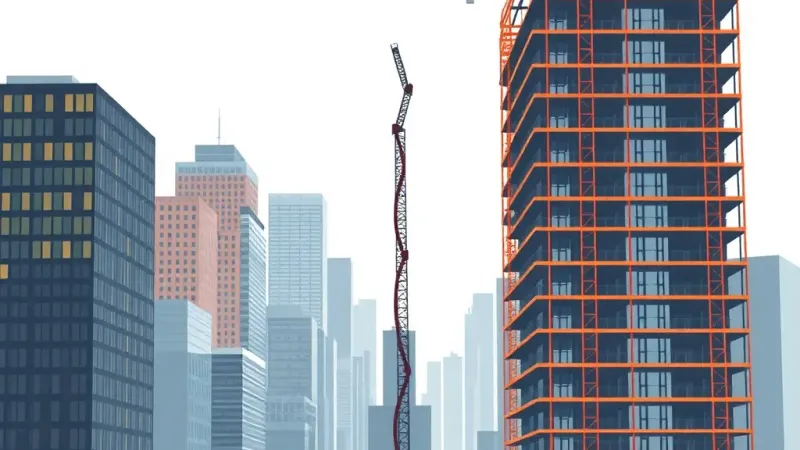
Mayor Elias Danziger’s signature urban renewal effort, the "Rutland Downtown Renaissance Initiative," now stands at a pivotal juncture, navigating significant fiscal hurdles and a deepening divide within the community. Conceived as a transformative multi-million-dollar endeavor to revitalize the city’s historic core, the project has garnered both fervent support and vocal opposition as it approaches its mid-point, thrusting Mayor Danziger’s leadership into sharp relief.
Launched two years ago with an initial budget of $75 million, the initiative promised a comprehensive overhaul, envisioning modern commercial spaces, a substantial increase in affordable housing units, and a state-of-the-art public transport hub designed to stimulate economic growth. Projections at its inception confidently heralded a 15% surge in local business revenue and the creation of over 300 permanent jobs. However, recent quarterly fiscal reports have unveiled a challenging reality: a 12% cost overrun, amounting to nearly $9 million, primarily attributed to escalating construction material costs and unforeseen environmental remediation requirements on several key parcels.
"This project is precisely the catalyst Rutland desperately needed to shake off decades of stagnation," asserted Fiona Chen, proprietor of 'The Daily Grind' coffee shop on Elm Street, whose establishment has reported a verifiable 20% increase in daily foot traffic since the completion of the adjacent pedestrian plaza. "Mayor Danziger possessed the foresight to envision a vibrant future for our city when others clung to the past. We must remain committed to seeing this vision through, despite the temporary bumps."
Conversely, the sentiment is not universally shared. Robert Maxwell, a prominent spokesperson for the grassroots organization 'Preserve Rutland's Heritage,' voiced profound concerns regarding the initiative’s trajectory. "While we acknowledge the need for progress, this ambitious plan risks eradicating the very character that defines Rutland – its unique architectural charm and community spirit – in favor of generic, high-rise developments. The spiraling costs are particularly alarming, and we've yet to see the equitable distribution of the promised benefits, especially concerning genuinely affordable housing options for our lower-income residents."
City Planning Director Dr. Lena Petrova, in a recent public statement, acknowledged the complex challenges inherent in such a monumental undertaking. "Navigating a project of this immense scale will inevitably present unforeseen obstacles and financial pressures. Our team is diligently exploring additional grant opportunities and implementing rigorous efficiency measures to mitigate these overruns, all while steadfastly adhering to the project's foundational objectives of sustainable urban development." She underscored the administration’s unwavering commitment to Rutland's long-term economic vitality.
While the first phase, including the acclaimed new pedestrian plaza and the renovation of several historic storefronts along Main Street, has been successfully completed, the unfinished segments, notably the proposed multi-purpose arts and culture complex and the final housing phase, are now grappling with significant delays. These postponements cast a lengthening shadow over the initial widespread excitement that greeted the initiative's announcement. As Rutland approaches its next municipal election cycle, Mayor Danziger's political standing, once considered unassailable, is now inextricably linked to the ultimate success or failure of the Downtown Renaissance. The community anxiously anticipates further clarification on the city's strategy to address the compounding fiscal pressures and to reconcile the deepening divisions in public sentiment. The upcoming city council meeting, slated for October 26th, is widely expected to be a contentious forum for debate on the project’s revised budget and future direction.


