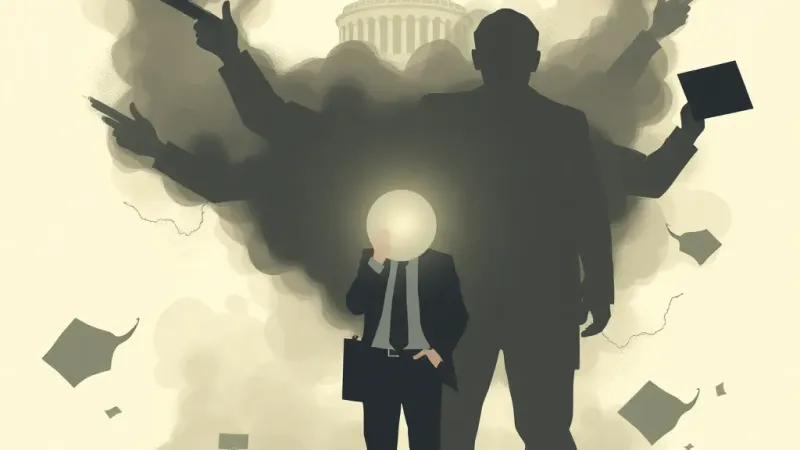
STRASBOURG – As nations worldwide marked World Press Freedom Day, the Council of Europe delivered a forceful declaration today, underscoring the critical need to safeguard journalists and media workers. The international body articulated that the very bedrock of democratic governance is jeopardized when those who report the news face an escalating array of threats, ranging from physical violence to legal harassment and digital surveillance.
The pronouncement from Strasbourg highlighted a concerning global trend of diminishing space for independent journalism, which often serves as the public's primary defense against unchecked power. Recent data indicates a disturbing uptick in assaults on journalists, arbitrary detentions, and the weaponization of legislation, such as Strategic Lawsuits Against Public Participation (SLAPPs), designed to silence critical voices and drain media outlets of resources. These actions, often perpetrated with impunity, create a chilling effect that extends far beyond the individual reporter, eroding the public's access to vital information.
"The ability of a society to self-govern effectively hinges on an informed citizenry," stated Dr. Elias Vance, a senior political analyst specializing in human rights law. "When journalists are intimidated or prevented from performing their duties, the flow of truth is obstructed, leaving communities vulnerable to misinformation and authoritarian creep. Protecting the press is not merely about individual rights; it's about preserving the collective right to a functional democracy."
The Council's statement emphasized that threats to press freedom are not confined to conflict zones but are increasingly prevalent within established democracies. Financial pressures, coupled with a shifting digital landscape rife with disinformation, further compound the challenges faced by news organizations. The body called upon member states to strengthen legal frameworks that protect journalists, ensure accountability for crimes against media professionals, and foster environments where independent reporting can thrive without fear.
Specific recommendations included enhancing judicial independence to counter SLAPPs, investing in digital security for journalists operating in high-risk environments, and implementing educational initiatives to boost media literacy among the populace. The call for action serves as a poignant reminder that while press freedom is a fundamental human right, its continued existence requires constant vigilance and active protection from governments and civil society alike. The future of open societies, the Council concluded, rests squarely on the shoulders of a free and fearless press.