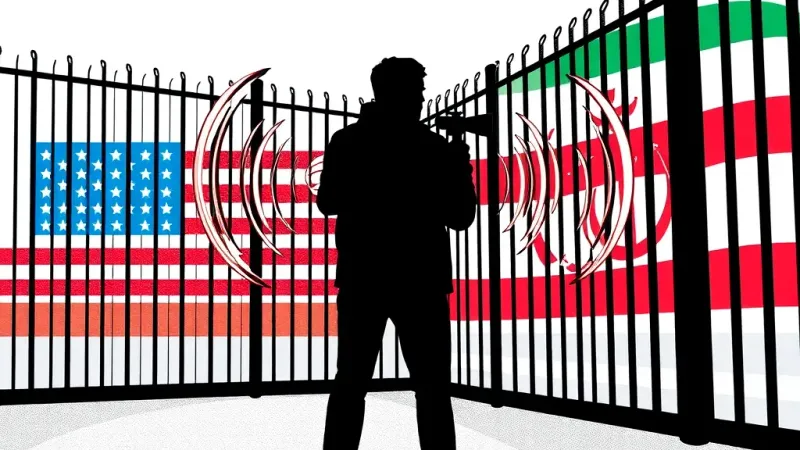
Washington D.C. – In a move that has drawn significant attention from human rights advocates and media freedom organizations, the Trump administration has initiated proceedings to deport Yousof Azizi, a prominent Iranian media commentator. The action, spearheaded by U.S. immigration authorities, signals a potential intensification of pressure on individuals connected to Iranian affairs residing within the United States, amidst already strained diplomatic relations between Washington and Tehran.
Azizi, known for his critical analysis and commentary on Iranian political and social developments, has been a familiar voice in Persian-language media circles for years. His work often involves discussing internal Iranian politics and the country's foreign policy, frequently offering perspectives that diverge from official narratives. Sources close to the commentator suggest that he has been residing in the United States for an extended period, operating under a specific visa status, the details of which are now under scrutiny by federal immigration officials.
The attempt to remove Azizi unfolds against a backdrop of deeply fractured U.S.-Iran relations. The Trump administration had adopted a 'maximum pressure' campaign against Iran, withdrawing from the 2015 nuclear deal and imposing sweeping sanctions. This strategy has led to a climate of heightened suspicion and strict enforcement of immigration policies, particularly concerning individuals from countries identified as adversaries or regions of national security concern. Critics argue that such actions extend beyond mere immigration enforcement, serving as a political tool to silence critical voices or send broader signals to foreign governments.
Immigration and Customs Enforcement (ICE) officials have reportedly cited unspecified visa violations as the basis for the deportation proceedings. Legal representatives for Azizi are understood to be contesting these claims, preparing a robust defense that may include appeals to asylum or protected status, given the potential risks Azizi could face if returned to Iran. The legal battle is anticipated to be complex and protracted, involving detailed examination of his immigration history and the nature of his media activities.
This development has sparked concern among civil liberties groups. Dr. Eleanor Vance, a senior analyst at the Global Rights Watch Institute, commented, 'Targeting a journalist or commentator for deportation based on what appears to be politically motivated grounds sets a dangerous precedent for freedom of speech and expression. It suggests that individuals whose narratives conflict with current foreign policy objectives might find themselves vulnerable.' Advocacy groups emphasize the importance of distinguishing between legitimate security concerns and actions that could be perceived as stifling dissent.
The case of Yousof Azizi is seen by many as a litmus test for the administration's approach to immigration and its broader strategy towards Iran. It highlights the often-overlapping complexities of national security, foreign policy, and individual rights within the U.S. legal system. As the legal process unfolds, the international community will be watching closely for indications of how such cases are handled, potentially influencing the status of other foreign nationals with critical viewpoints residing in the United States.