
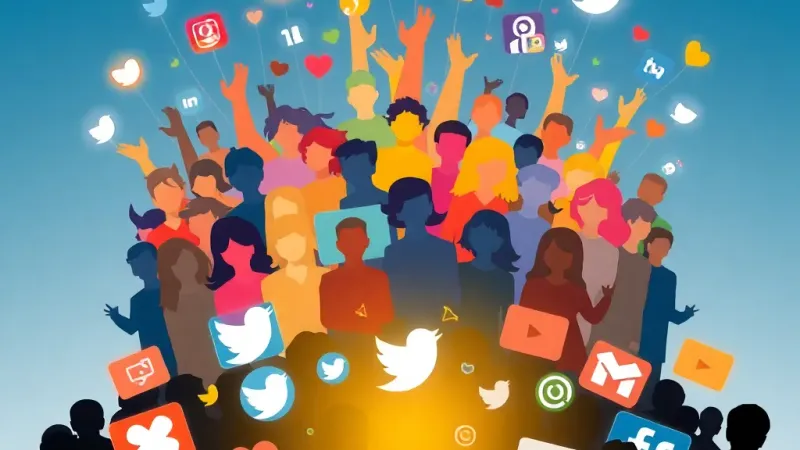
The landscape of digital content creation and dissemination is experiencing a fundamental reorientation. For years, the prevailing wisdom dictated a platform-first approach, where success was measured by algorithm mastery and channel dominance. However, a significant paradigm shift is now underway, with industry experts advocating for an "audience first, platform second" philosophy. This new strategy emphasizes cultivating deep, direct connections with target demographics, recognizing that sustainable reach and genuine influence originate from human connection rather than mere platform presence.
This strategic pivot is largely a response to the inherent volatility and evolving nature of major social media platforms and digital ecosystems. Algorithmic changes, shifts in user behavior, and the ever-present threat of platform obsolescence have demonstrated the fragility of building an entire digital presence on rented land. Instead, proponents of the audience-first model argue that understanding who your audience is, what they value, and how they engage is paramount. This involves meticulous demographic analysis, psychographic profiling, and a keen focus on community building.
"The old guard believed if you built it on the right platform, they would come," remarked Dr. Alistair Finch, a senior analyst at the esteemed Digital Dynamics Institute. "But today, the 'it' isn't just content; it's a relationship. Platforms are merely conduits. The real value is in the direct engagement, the shared conversation, and the loyalty cultivated over time. Without that human core, even viral content can become a fleeting anomaly, leaving no lasting impact." This sentiment underscores a move away from chasing ephemeral trends towards fostering enduring connections.
Businesses and independent creators are now re-evaluating their digital blueprints, channeling resources into analytics tools that provide deeper audience insights and communication channels that allow for more personalized interactions. This could manifest as investing in robust email newsletters, developing proprietary community forums, or employing advanced CRM systems to track individual user journeys. The goal is to move beyond passive consumption, actively encouraging participation, feedback, and co-creation, thereby transforming casual viewers into dedicated advocates.
The practical implications of this shift are profound. Content is no longer designed solely for algorithmic favor but crafted to resonate deeply with specific segments of an audience. Metrics like watch time and click-through rates are still important, but they are increasingly complemented by indicators of sentiment, repeat engagement, and conversion to direct subscriber relationships. This holistic view acknowledges that while platforms offer initial visibility, true longevity and commercial viability stem from a loyal, engaged user base that follows a creator or brand across various digital touchpoints. The digital realm is thus being redefined not by its technological architecture, but by the human networks it facilitates.


