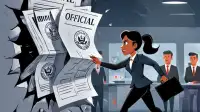
Minister Dr. Timilsina, at a national digital literacy summit, issued a strong caution regarding social media's reliability. "Every piece of information shared on social media is not true," he asserted, stressing the critical need for public vigilance. His remarks underscore a growing global concern over unverified content shaping public opinion and policy based on falsehoods. This statement comes amidst rising debates surrounding digital media accountability and user responsibility.
The Minister’s declaration highlights the escalating challenge of misinformation and disinformation campaigns. In an era where news cycles are often dictated by viral trends, the distinction between genuine reporting and fabricated narratives has dangerously blurred. This environment erodes public trust and fosters societal polarization, impacting everything from public health to democratic processes. Social media's immediacy and virality make it a powerful, yet often perilous, tool.
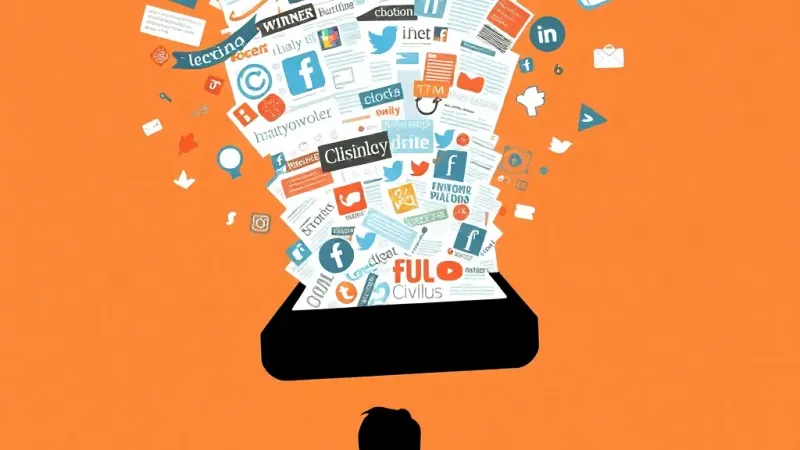
The vast reach of platforms like Facebook, X, and TikTok means unchecked information can travel globally in minutes, often before fact-checking mechanisms intervene. Instances of doctored images, out-of-context videos, and maliciously crafted narratives have repeatedly shown social media's capacity to misinform on a grand scale. From false health claims during pandemics to manipulated political narratives, the severe consequences of this digital free-for-all are increasingly evident.
Dr. Elara Vance, Professor of Digital Ethics at the Institute for Media Studies, commented on the Minister's statement. "The sheer volume of content makes individual verification daunting," Dr. Vance explained. "While social media offers unparalleled connectivity, it also empowers bad actors to spread misleading content with ease. Users must cultivate a skeptical mindset and cross-reference information with credible sources." Her observations emphasize the shared responsibility of platform providers and individual consumers.
In response to this digital quagmire, various global initiatives are underway, from enhanced fact-checking partnerships by social media giants to governmental digital literacy campaigns. Dr. Timilsina alluded to the necessity of robust educational programs to equip citizens, especially younger generations, with tools to critically evaluate online content. He emphasized that regulation alone might not suffice without increased media literacy, encouraging a proactive approach to digital citizenship.
The Minister's candid warning reiterates that navigating the modern information landscape requires heightened awareness and critical engagement. As digital platforms continue to integrate into daily life, the onus increasingly falls on individuals to discern truth from fiction. The call to action is clear: treat all online information with skepticism and prioritize credible sources to safeguard against untruths that threaten informed public discourse.