
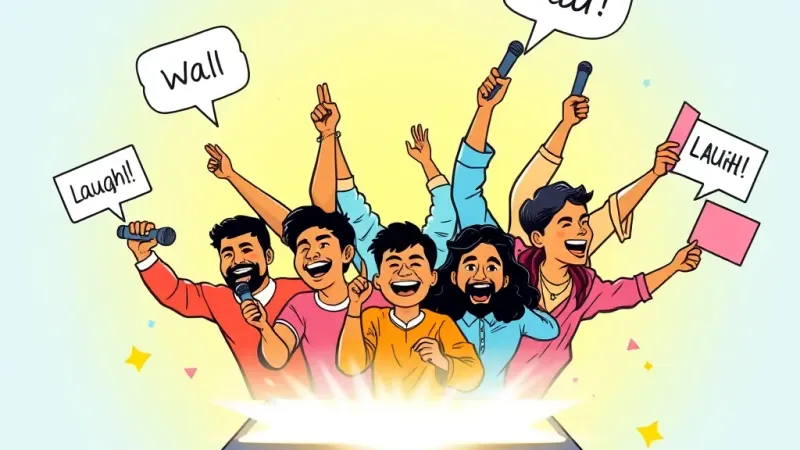
The digital landscape of India is currently the battleground for a significant clash over freedom of expression, as a diverse collective of comedians and online influencers actively push back against what they perceive as increasing governmental restrictions on political satire. This burgeoning movement is centered on their fundamental right to mock, critique, and lampoon political figures, including Prime Minister Narendra Modi, through various online mediums.
For years, satire has served as a critical tool for public discourse, offering a unique blend of humor and commentary to hold power accountable. However, recent trends indicate a tightening leash on such expressions within India's digital sphere. Content creators report heightened scrutiny, often leading to content removal requests or the looming threat of legal repercussions. This has galvanized a segment of the online community, who are now more vocal than ever in defending their artistic and constitutional liberties.
"Our role isn't just to make people laugh; it's to make them think, to question, and sometimes, to challenge the status quo," stated Rohan Sharma, a prominent Delhi-based stand-up comedian and content creator known for his incisive political observations. "When the space for satirical commentary shrinks, democracy itself becomes impoverished. We're not seeking to spread misinformation, but to reflect societal realities through humor, even if those realities are uncomfortable for those in power." Sharma's popular web series, "The Unfiltered Lens," has garnered millions of views, often navigating sensitive political topics with biting wit.
The government, for its part, has often cited concerns over maintaining public decorum, preventing the spread of misinformation, and ensuring national security as justifications for regulatory oversight of online content. Critics, however, argue that these broad stipulations are increasingly being used to stifle legitimate dissent and critical commentary, particularly when directed at high-profile political figures. The ambiguity of some digital content guidelines further exacerbates the apprehension felt by creators, leading to self-censorship in many instances.
Dr. Ananya Singh, a legal expert specializing in digital rights and freedom of speech at the Bengaluru Institute of Technology, emphasized the crucial balance at stake. "The ability to openly parody political leaders is a hallmark of a vibrant democracy," Dr. Singh explained. "Any erosion of this right, whether through direct censorship or indirect pressure, sets a dangerous precedent for the future of civic engagement and independent journalism online. These creators are not merely entertainers; they are an essential part of the democratic feedback loop."
This collective stand by Indian digital creatives underscores a deepening societal tension between governmental authority and individual expressive freedoms. As the debate continues to unfold across social media platforms and in public discourse, the outcome will undoubtedly shape the contours of digital expression and political commentary in one of the world's largest democracies for years to come. The creators assert that their pens—or rather, their keyboards and cameras—remain potent weapons in the fight for unfettered speech.


