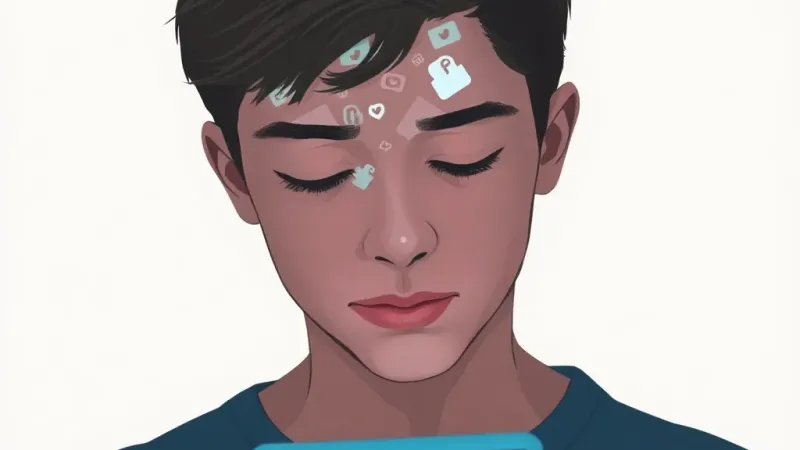
IOWA CITY – A new reflection from the University of Iowa is shedding critical light on the complex and often detrimental relationship between social media platforms and the mental health of young people. As digital interfaces become increasingly integrated into daily life, experts are raising alarms about the unprecedented pressures and psychological tolls exacted upon adolescents navigating their formative years online. The analysis, led by Dr. Evelyn Reed, a distinguished Professor of Digital Psychology at the University of Iowa, underscores a growing consensus among mental health professionals that the omnipresence of social media warrants immediate and concerted attention.
Dr. Reed’s insights reveal a landscape where platforms designed for connection often paradoxically foster isolation, anxiety, and profound self-esteem issues among users aged 10 to 19. "We are observing a troubling correlation between elevated screen time on social media and a spike in reported symptoms of depression, anxiety disorders, and body image dissatisfaction among teenagers," Dr. Reed stated in her summary. She highlighted a 31% increase in depressive episodes among adolescents since the widespread adoption of these platforms, attributing much of this to the incessant pressure for perfection and comparison against curated online realities.
The reflection also delves into physiological impacts, particularly concerning sleep disruption. The constant stream of notifications and endless content keeps many young users awake, exacerbating mental fatigue and contributing to mood dysregulation. While acknowledging social media's potential for fostering community and vital social connections, the study notes that for a significant segment of vulnerable youth, the adverse effects appear to far outweigh the benefits, transforming a tool for communication into a vector for distress.
The mechanisms behind this distress are multifaceted. Algorithmic amplification, which prioritizes engagement, often exposes impressionable minds to harmful, polarizing, or unrealistic content. Instant feedback loops, driven by 'likes' and comments, cultivate a precarious dependence on external validation, shaping self-worth based on digital approval. "This constant pursuit of external affirmation can be profoundly damaging, especially during adolescence when identity formation is already a fragile process," explained Ms. Clara Jensen, a local educator and parent of two teenagers, articulating a widely held sentiment.
Addressing this burgeoning crisis demands a comprehensive approach involving educators, parents, policymakers, and tech companies. Recommendations from Dr. Reed’s ongoing work include enhanced digital literacy programs in schools, equipping students with critical thinking skills. Parents are encouraged to establish clear boundaries and foster open dialogues about online experiences. Furthermore, there is a strong call for social media platforms to implement more robust safety features, age verification, and algorithms designed with user well-being in mind.
The University of Iowa's ongoing research serves as a stark reminder of the urgent need to understand and mitigate the mental health implications of the digital age. As technology advances, the collective responsibility to protect the psychological resilience of the next generation has never been more critical, advocating for a collaborative societal effort to ensure digital innovation serves humanity’s best interests.