
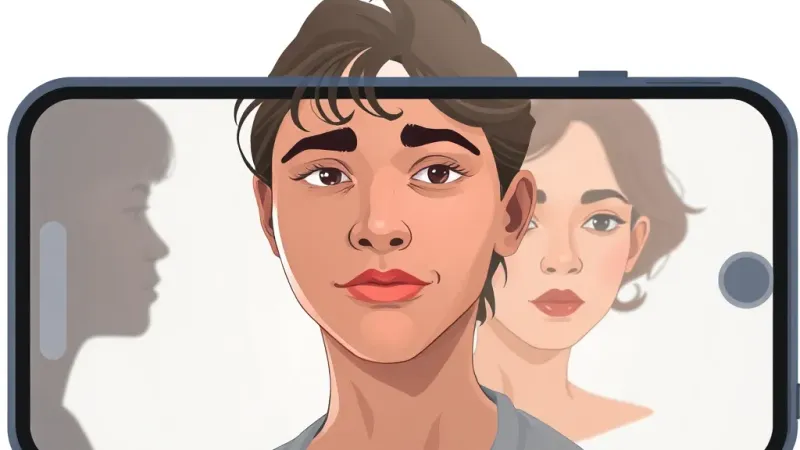
Recent academic inquiries are shedding critical light on the intricate relationship between social media consumption and individual mental well-being, challenging simplistic narratives about digital platforms. Researchers are increasingly delineating how prevalent online behaviors—like endless scrolling, pervasive social comparison, and the pursuit of digital validation—impact users' self-worth and psychological health. These studies underscore a complex interplay, suggesting social media's pervasive nature carries significant implications for self-perception, warranting closer public scrutiny and informed personal strategies.
The core findings point to how digital platforms can subtly erode self-esteem. Extensive passive consumption, characterized by mindlessly scrolling through curated feeds, has been linked to heightened feelings of inadequacy and envy. Users are frequently exposed to idealized versions of others' lives, often meticulously constructed, fostering an environment ripe for upward social comparison. This constant juxtaposition with perceived perfection can lead to a measurable decline in self-reported happiness and an increase in symptoms associated with anxiety and depression, particularly among younger demographics.
"The research highlights how social media's design can exploit natural human tendencies for social comparison and validation," explained Dr. Julian Vance, a behavioral psychologist specializing in digital wellness at the Kensington University Digital Health Initiative. "What we're observing is a measurable disconnect between online performance and authentic self-worth. Users often seek external validation through likes and comments, providing fleeting gratification but doing little to build genuine self-esteem."
Further investigations into specific user habits reveal varying impacts. Individuals who actively engage in creating content and interacting meaningfully often report different outcomes compared to those who primarily consume passively. The constant pressure to present an 'ideal' self online, coupled with the fear of missing out (FOMO), contributes to increased stress. A recent qualitative study involving over 1,500 participants reported that 68% felt worse about their own achievements after prolonged exposure to success stories on platforms like Instagram and LinkedIn. This relentless stream of curated content, from exotic vacations to career milestones, can foster a persistent sense of falling short.
However, experts caution against painting social media with too broad a brush. While challenges are significant, some research acknowledges the platforms' capacity to foster communities, provide support networks, and facilitate activism, offering positive benefits when engaged with mindfully. The critical distinction often lies in the mode of interaction and the intention behind usage. Actively seeking supportive groups or sharing authentic experiences can yield positive results, contrasting sharply with the isolating effects of endless, passive comparison.
As digital platforms evolve, understanding these nuanced impacts becomes paramount for individuals, educators, and policymakers. This initial wave of research serves as a vital call to action, urging users to cultivate greater digital literacy and adopt strategies for more conscious, self-protective engagement. This ongoing exploration is critical for developing interventions and promoting practices that prioritize genuine well-being over digital performance.


