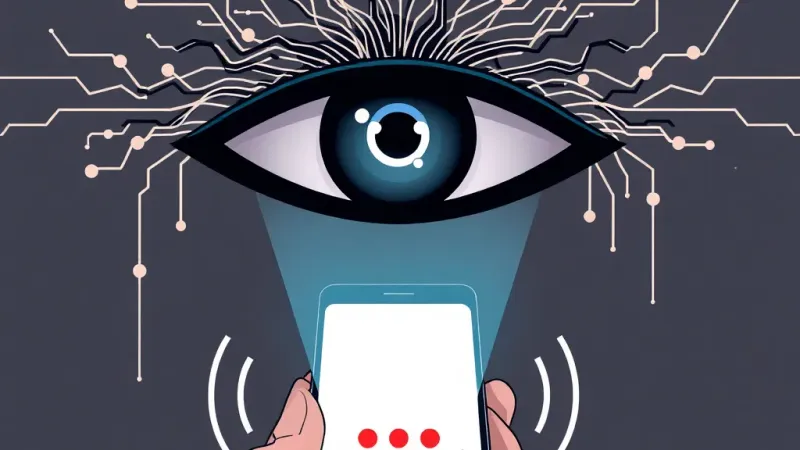
The Federal Communications Commission (FCC), under the Trump administration, has unveiled a new, aggressive plan to combat the incessant plague of robocalls and telemarketing scams, a move that is simultaneously drawing praise for its ambition and alarm for its potential implications on privacy. Central to this initiative is the proposed deployment of sophisticated artificial intelligence tools designed to analyze vast swaths of call data, ostensibly to identify and neutralize malicious callers.
This strategy emerges amidst widespread public frustration over a problem that has, for years, seen American voice networks saturated with fraudulent and unwanted calls, a stark contrast to the more regulated telecommunication environments of many other developed nations. The FCC's chairman stated the plan aims to reclaim the integrity of communication channels, ensuring citizens can answer their phones without fear of scam artists or predatory marketing.
However, the promising rhetoric is quickly being overshadowed by significant red flags raised by privacy advocates and civil liberties organizations. Critics contend that the reliance on AI for widespread call analysis could inadvertently establish an unprecedented surveillance apparatus. "While the intent to silence robocallers is laudable, the proposed methods risk creating a panopticon where legitimate communications could be swept into a dragnet," cautioned Dr. Aris Thorne, a senior research fellow at the Digital Rights Institute, in a recent briefing. "The lack of clear boundaries regarding data retention, access, and potential weaponization by future administrations presents a chilling prospect for personal liberty."
Concerns extend beyond mere data collection; they delve into the very definition of privacy in the digital age. The mechanism by which the AI would differentiate between legitimate calls and illicit ones, the algorithms’ potential for bias, and the transparency—or lack thereof—in how this system would operate are all points of intense scrutiny. There are fears that the collected metadata, even if anonymized, could still paint a detailed picture of individuals' habits, associations, and even political leanings, should it fall into the wrong hands or be repurposed.
Past government efforts to curb robocalls have often been criticized for their piecemeal approach and ultimate ineffectiveness, leading to a pervasive skepticism about any new "solution." Opponents of the current plan argue that rather than investing in potentially intrusive AI, the FCC should enforce existing regulations more rigorously and work with carriers to implement stronger authentication protocols, rather than relying on methods that could undermine the foundational principles of privacy for millions of Americans. As the debate intensifies, the public faces a critical juncture: the promise of silence from unwanted calls versus the potential erosion of digital autonomy.