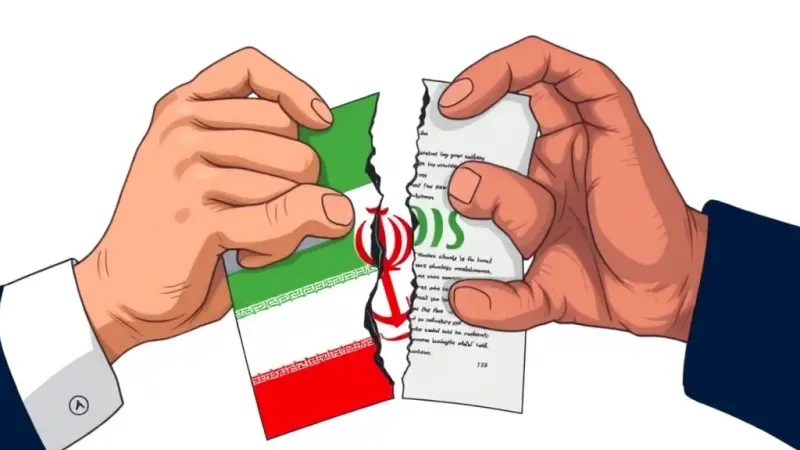
President Donald Trump’s administration has firmly rejected what was described as Iran's latest response to a U.S.-backed ceasefire proposal, signaling a renewed diplomatic deadlock in efforts to de-escalate tensions in the volatile Middle East. The decision, confirmed by White House officials, underscores the profound chasm separating Washington and Tehran, leaving little immediate prospect for a diplomatic resolution to their protracted standoff.
The White House communicated its definitive stance on the matter on Tuesday, with a spokesperson stating that Tehran's counter-proposal contained 'unacceptable conditions' that failed to adequately address core U.S. security concerns and broader regional stability. While specific details of the Iranian communication remain undisclosed, sources close to the negotiations indicated that it likely included demands for significant sanctions relief and recognition of Iran's regional influence, terms the U.S. finds fundamentally incompatible with its strategic objectives.
This rejection marks another critical juncture in the fraught relationship between the two countries, which has been characterized by heightened rhetoric, proxy conflicts, and the lingering shadow of the 2015 nuclear accord, from which the U.S. unilaterally withdrew in 2018. The original U.S. ceasefire proposal was reportedly aimed at curbing escalating tensions in key flashpoints across the region, including the Persian Gulf and other areas where U.S. and allied interests frequently clash with Iranian-backed forces.
Dr. Evelyn Reed, a senior fellow at the Institute for Global Diplomacy in Geneva, commented on the development, stating, "This rejection underscores the profound chasm between Washington and Tehran. Both sides appear entrenched in their positions, making genuine breakthroughs incredibly challenging without a significant shift in strategic calculus from either capital. The language suggests a lack of serious concession from Iran, which the U.S. views as essential for any meaningful de-escalation." Dr. Reed's analysis highlights the deeply ingrained mistrust and diverging priorities that continue to stymie diplomatic progress.
Critics of the administration's approach suggest that while firmness is necessary, an outright rejection without further avenues for dialogue risks increasing regional instability. Conversely, proponents argue that accepting anything less than comprehensive concessions from Iran would embolden its behavior and undermine long-term security. With diplomatic channels appearing increasingly constrained, observers anticipate continued reliance on economic pressure and strategic deterrence as the primary tools in Washington's policy toward Tehran, leaving the region on edge for the foreseeable future. The latest move cements a period of sustained impasse, with no clear path to reconciliation emerging on the horizon.