
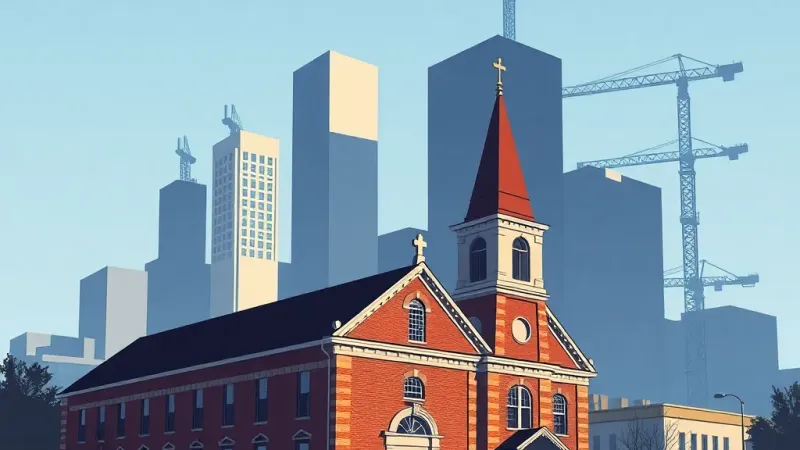
Eatonville, Florida, a town forged in 1887 as the first self-governing Black municipality in the United States, stands at a critical juncture. Amidst a burgeoning Central Florida, its landscape is increasingly dotted with the skeletal frames of new buildings and the rumblings of heavy machinery, signaling a wave of modern development that risks engulfing its unique historical essence. This once-quiet haven, famously immortalized by literary icon Zora Neale Hurston, is grappling with the dual challenge of accommodating growth while fiercely safeguarding the heritage that defines its very existence.
The town's founding by formerly enslaved people was a profound act of self-determination, establishing a vibrant community rooted in autonomy and cultural preservation. For generations, Eatonville has served as a beacon of Black excellence and resilience, its streets echoing the stories of those who built a sanctuary against systemic oppression. Institutions like the Zora Neale Hurston National Museum of Fine Arts continue to champion this legacy, drawing visitors eager to connect with a pivotal chapter of American history. However, the encroaching urban sprawl from nearby Orlando and burgeoning commercial interests now cast a long shadow over these hallowed grounds.
Developers are eyeing Eatonville for its strategic location and available land, proposing projects ranging from residential complexes to commercial hubs. While these ventures promise economic upliftment and job creation, many residents express deep concern over the potential dilution of the town’s character. The fear is palpable: that the unique architectural styles, the community-centric spaces, and the very spirit of independence that shaped Eatonville could be lost beneath layers of generic modern infrastructure.
"We welcome progress, but not at the expense of our identity," stated Eleanor Vance, a longtime resident and local historian, during a recent community forum. "Our history isn't just a footnote; it's the very foundation of who we are. Each new brick laid must honor the legacy that came before it, or we risk becoming just another suburb devoid of soul." Her sentiments reflect a broader community appeal for thoughtful, deliberate development that integrates Eatonville's past into its future.
Town leaders are attempting to navigate this delicate balance, exploring zoning ordinances and development agreements that prioritize cultural preservation and ensure new projects complement, rather than erase, the existing historical fabric. Discussions are underway regarding architectural guidelines that would mandate adherence to a distinct "Eatonville aesthetic," and proposals for increased green spaces and public art installations that tell the town's story. The goal is to ensure that economic prosperity doesn't come at the cost of historical amnesia.
As cranes continue their work across the town, the narrative of Eatonville remains a powerful testament to endurance. Its struggle is a microcosm of many historic communities facing the relentless march of modernization. The challenge for Eatonville is not merely to build new structures, but to construct a future that reveres its past, ensuring that the spirit of its founders and the words of its literary giants continue to inspire for generations to come, proving that it is indeed far more than just a construction site.


