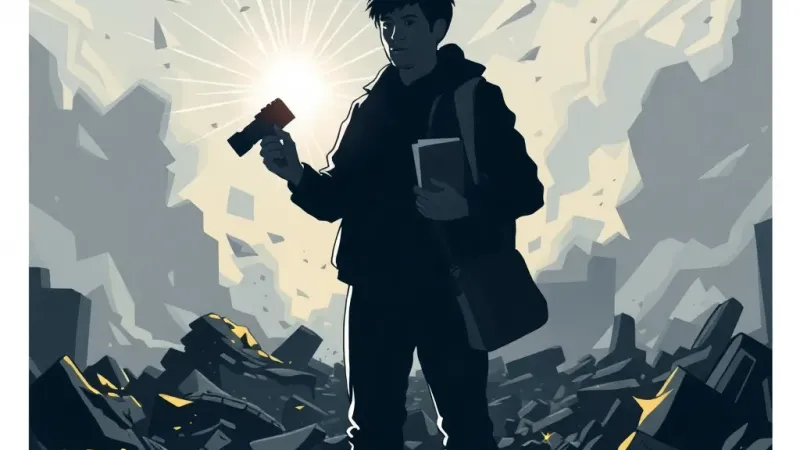
Since the full-scale invasion commenced in February 2022, Ukrainian journalism has transformed into a precarious battleground, where the pursuit of truth is intertwined with personal survival. Media professionals across the nation face an unprecedented confluence of physical danger, economic devastation, and the relentless fight against pervasive disinformation, fundamentally reshaping their roles and responsibilities in a conflict-ridden landscape. Their commitment remains unwavering, yet the toll on individuals and institutions is profound, threatening the very fabric of independent reporting.
The physical risks confronting journalists operating within Ukraine are staggering. Reporters often work directly on the frontlines, navigating shelling, drone attacks, and sniper fire to capture the unfolding reality. Equipment, from cameras to satellite uplinks, frequently becomes collateral damage in fierce engagements near cities like Kharkiv, Zaporizhzhia, and the embattled Donbas region. "Every assignment now feels like a roll of the dice," stated Mykhailo Andrii, a photojournalist who recently returned from documenting conditions near Avdiivka. "You are not just capturing history; you are living it, often under direct threat." Numerous journalists have been killed or injured since the invasion began, highlighting the extreme perils inherent in their daily duties.
Beyond the immediate physical threats, Ukrainian journalists are simultaneously embroiled in an intense information war. They serve as a crucial bulwark against the flood of propaganda and misinformation disseminated by aggressor states, working tirelessly to verify facts and debunk false narratives that seek to sow discord and undermine national morale. This dual mandate requires rigorous adherence to ethical standards while operating in a highly emotionally charged environment. The distinction between reporting and patriotic duty blurs, adding layers of complexity to their professional impartiality.
The economic impact on media outlets has been catastrophic. Advertising revenues, the lifeblood of many publications and broadcasters, have plummeted as businesses struggle or cease operations. Newsrooms have been destroyed, forcing teams to work remotely or from makeshift bunkers, often with limited access to reliable power and internet. International aid and grant funding have become critical for survival, allowing many outlets to continue operations, provide essential equipment, and offer support to their beleaguered staff. Without such assistance, the independent media landscape in Ukraine would face irreparable collapse.
The sustained exposure to trauma, violence, and loss has taken a severe psychological toll on journalists. Witnessing atrocities, documenting human suffering, and constantly fearing for their own lives and the lives of loved ones contributes to high rates of stress, anxiety, and burnout. Organizations are attempting to provide mental health support, but resources are often stretched thin. The long-term effects of this collective trauma on the profession are yet to be fully understood, posing a significant challenge for future generations of Ukrainian reporters.
Despite these monumental challenges, Ukrainian journalists persevere with remarkable resilience. They remain the indispensable chroniclers of a nation under siege, committed to delivering accurate information to their populace and the world. Their dedication ensures that the human stories, the strategic shifts, and the profound impact of the conflict are not lost to the fog of war, serving as vital witnesses to history in the making.