
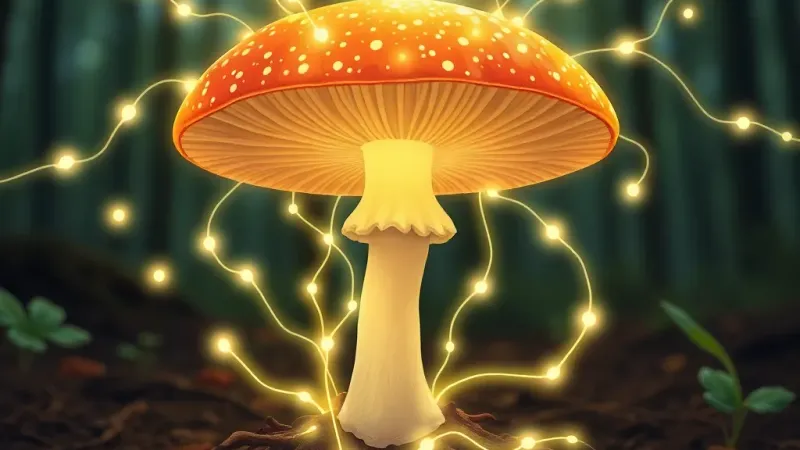
The clandestine pursuit of the highly coveted morel mushroom, long a guarded ritual among seasoned foragers, is undergoing a profound transformation, migrating from the hushed secrecy of woodland trails to the burgeoning transparency of online communities. What was once an enigmatic spring pilgrimage, often shrouded in personal folklore and passed down through whisper-thin generations, has now blossomed into a vibrant digital ecosystem where enthusiasts share tips, triumphs, and even the general whereabouts of their prized discoveries. This unprecedented shift, largely fueled by the pervasive reach of social media platforms and specialized online forums, marks a significant departure from centuries-old traditions.
For generations, the art of morel hunting was characterized by its fierce privacy. Dedicated foragers prided themselves on their "honey holes"—secret spots known only to a select few, often family members sworn to secrecy. This insular approach was born from a desire to protect fragile ecosystems from over-harvesting and to maintain a competitive edge in the pursuit of the ephemeral fungi. Veterans of the hunt developed an almost mystical connection to their chosen forests, their knowledge of terrain, tree species, and weather patterns honed over decades of solitary exploration.
However, the advent of the internet has shattered these traditional silences. Platforms like Facebook groups, Reddit forums, and dedicated mycological websites now host thousands of members united by their shared passion for *Morchella* species. Newcomers, previously intimidated by the unwritten rules and tacit knowledge of the foraging world, are finding readily accessible entry points. "I always wanted to try morel hunting, but it felt like a secret club I wasn't part of," recounts Marcus Finch, a 34-year-old software engineer and self-proclaimed novice from Columbia, Missouri. "These online groups made it approachable. I learned so much about identification and safe foraging practices just by lurking and asking questions."
This communal sharing extends beyond simple tips. Members often post photos for identification verification, discuss ethical harvesting methods, and even organize informal meet-ups for group hunts, fostering a sense of camaraderie that was largely absent in previous eras. While some purists lament the perceived loss of mystique, many acknowledge the undeniable benefits. "Part of me misses the old days when you just went out alone and discovered things," admits Elias Thorne, a 72-year-old retired forester from Boone County, known for his decades of successful hunts. "But seeing young folks excited about nature and sharing what they learn, that's a good thing. It makes sure the knowledge doesn't die out, even if a few more people know about 'my spot'."
The sociological implications of this digital convergence are noteworthy. Dr. Lena Petrova, a cultural anthropologist specializing in recreational pursuits at the University of Missouri, notes, "What we're witnessing is the democratization of specialized knowledge. Hobbies once reserved for those with inherited access are now open to anyone with an internet connection. This has profound effects on community building, environmental stewardship, and even the economics of niche outdoor activities." As the spring rains continue to coax morels from the forest floor, the digital forest of shared knowledge grows alongside them, redefining a cherished tradition for a new generation.


