
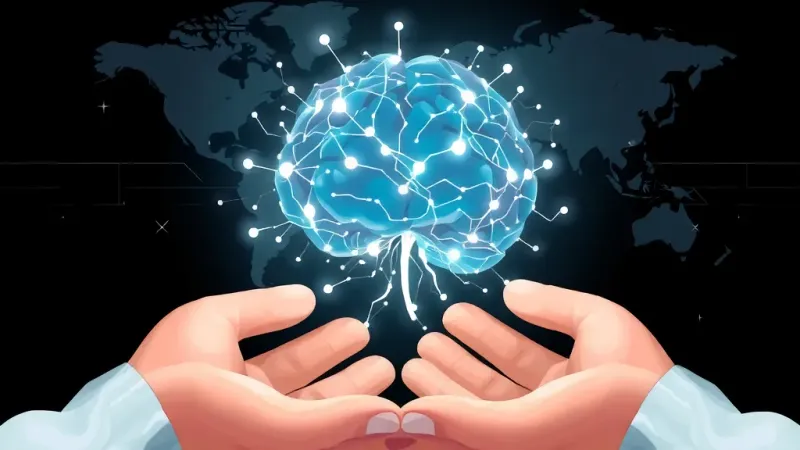
The United Nations Educational, Scientific and Cultural Organization (UNESCO) has initiated a critical global effort to establish ethical guidelines for neurotechnology, a field poised to redefine human interaction with the digital and physical world. In a significant move to safeguard fundamental human rights and preserve human dignity, the intergovernmental body has convened an international ad hoc expert group tasked with preparing the first-ever global standard on the ethics of neurotechnology. This proactive measure underscores a growing international recognition of the profound societal implications presented by rapidly evolving brain-interface technologies.
Neurotechnology, encompassing devices and procedures that directly interact with the nervous system, holds immense promise in areas like medicine, rehabilitation, and cognitive enhancement. From advanced brain-computer interfaces (BCIs) enabling paralyzed individuals to control prosthetic limbs with thought, to neural implants designed to combat neurological disorders such as Parkinson's and epilepsy, the potential for human betterment is vast. However, these innovations also introduce an unprecedented array of ethical dilemmas, raising urgent questions about mental privacy, cognitive liberty, personal identity, and the potential for surveillance or manipulation.
The newly appointed expert group comprises leading scientists, ethicists, legal scholars, and policymakers from diverse geographical and cultural backgrounds. Their mandate is to develop a comprehensive framework that addresses these complex challenges head-on, ensuring that technological progress aligns with humanitarian principles. "The pace of innovation in neurotechnology demands immediate and concerted international action," stated Dr. Aris Thorne, a leading bioethicist and an inaugural member of the expert panel. "Without a clear, globally accepted ethical roadmap, we risk navigating a future where the lines between human thought and external influence become dangerously blurred, impacting everything from individual autonomy to societal equity."
UNESCO's previous work in crafting global recommendations on the ethics of artificial intelligence serves as a precedent for this ambitious undertaking. That landmark standard, adopted by 193 member states in 2021, demonstrated the organization's capacity to facilitate consensus on emerging technological ethics. This new initiative aims for a similar level of impact, establishing principles that will guide research, development, and deployment of neurotechnologies worldwide. Concerns range from algorithmic bias embedded in neural data processing to the potential for a "cognitive divide," where access to enhancing technologies exacerbates existing social inequalities.
The expert group will undertake extensive consultations, engaging with stakeholders across academia, industry, civil society, and government to ensure the resulting standard is robust, inclusive, and forward-looking. The goal is not to stifle innovation but to ensure its responsible development, embedding ethical considerations at every stage. "We are at a pivotal moment," remarked Professor Lena Petrova, a neuroscientist from a technical university, who is also part of the group. "The opportunity to heal, connect, and empower is immense, but so is the responsibility to protect the very essence of what it means to be human. This standard is crucial for navigating that balance responsibly."
The final recommendations, expected to be presented to UNESCO's General Conference within the next two years, will seek to provide member states with a unified approach to legislating and regulating neurotechnology. This endeavor represents a critical step towards establishing a global governance framework for technologies that directly interface with the human brain, ensuring that humanity reaps the benefits while mitigating the profound risks.


