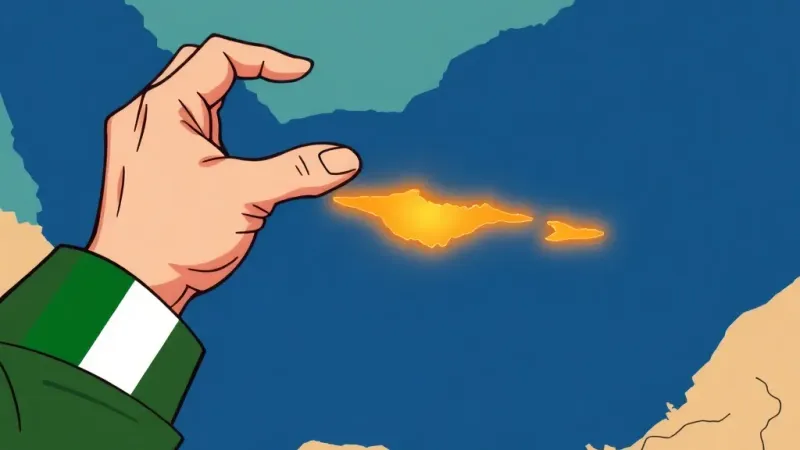
Iran's Revolutionary Guards Corps (IRGC) has unveiled a new map depicting the entirety of the Strait of Hormuz as being under its operational control, according to reports from Iranian state media. This bold cartographic declaration signals an assertive posture from Tehran regarding the pivotal waterway, through which a significant portion of the world's seaborne oil supply passes daily. The move underscores Iran's long-standing claims of sovereignty and its readiness to assert influence in the Persian Gulf.
The Strait of Hormuz, a narrow choke point situated between Iran and Oman, is arguably the most strategically important oil transit route globally. With approximately one-fifth of the world's total petroleum consumption, or about 21 million barrels per day, passing through its waters, any assertion of increased control by Iran carries immediate international ramifications. Global energy markets and maritime security agencies closely monitor developments in this region, which has been a flashpoint for international tensions for decades.
Details surrounding the unveiling, as reported by official Iranian outlets, indicated the map was presented during a strategic meeting of high-ranking IRGC naval commanders. While specifics of the map’s new demarcations remain under wraps, the core message transmitted through state media is one of unequivocal authority over the shipping lanes and territorial waters encompassing the strait. This visual reassertion of dominance comes amidst ongoing geopolitical friction with Western powers and regional rivals.
Analysts suggest that this unveiling is more than a mere symbolic gesture; it is a clear message intended for both domestic and international audiences. "This isn't just about drawing lines on paper; it's about projecting an image of unshakeable control and deterrence," stated Dr. Arash Nouraee, a Tehran-based maritime security specialist. "It serves as a stark reminder of Iran's perceived capabilities and its willingness to enforce its will in a critical international waterway, potentially influencing perceptions of risk for commercial shipping."
The timing of this declaration is also noteworthy, occurring amid stalled nuclear negotiations and persistent accusations from Western nations regarding Iran's regional activities and its advanced drone program. Past incidents, including the seizure of oil tankers and confrontational encounters with foreign naval vessels, have historically elevated tensions in the strait. Tehran has consistently maintained that its military presence in the Persian Gulf is for defensive purposes and to ensure regional stability, while also reserving the right to respond to any perceived threats.
The international community is expected to scrutinize this development closely. While the practical implications for current shipping operations remain to be seen, the symbolic weight of Iran's Revolutionary Guards publicly asserting such comprehensive control over Hormuz is undeniable. It reinforces the ongoing need for vigilance and diplomatic engagement to maintain freedom of navigation and prevent escalation in one of the world's most sensitive maritime corridors.