
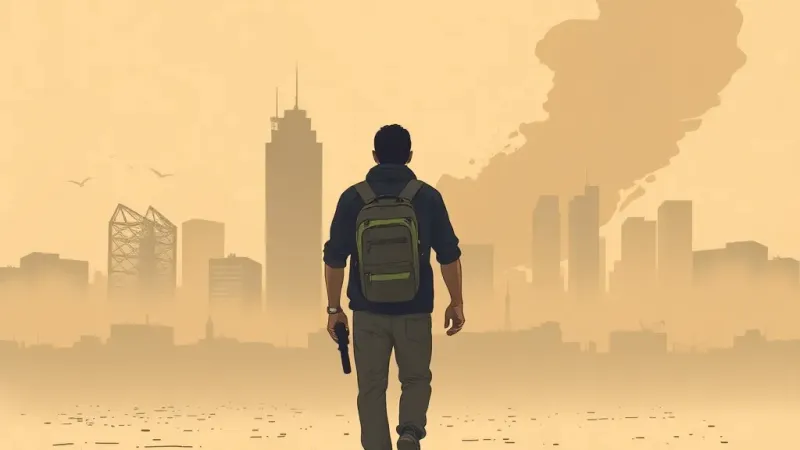
The abduction of Western journalist Shelly Kittleson in Baghdad has prompted a swift and significant exodus of international media personnel from Iraq, casting a stark shadow over the future of independent reporting in the war-torn country. Kittleson, whose disappearance was reported early last week, became the latest victim in a series of incidents highlighting the perilous environment for foreign correspondents operating within the nation's borders, leading many news organizations to recall their staff amidst escalating security concerns.
Kittleson, a seasoned freelance journalist known for her in-depth coverage of humanitarian issues and conflict zones, vanished from the Iraqi capital under circumstances that remain largely undisclosed by authorities. Her disappearance has ignited a profound sense of alarm among her peers, forcing an immediate reevaluation of the risks associated with remaining in Iraq. Over the past 72 hours, numerous prominent news outlets have confirmed the withdrawal of their foreign correspondents and support staff, citing an untenable security posture. This collective departure threatens to create an information vacuum, leaving critical developments within Iraq underreported just as the country grapples with complex political and social transitions.
"This is a grim reminder that Iraq, despite periods of relative calm, remains one of the most dangerous places on Earth for journalists," stated Eleanor Vance, a veteran foreign correspondent who has covered the Middle East for over two decades and herself departed Baghdad yesterday. "The calculus of risk has fundamentally shifted. When a journalist can vanish in what was considered a relatively secure zone, it sends a chilling message to everyone." Security analysts echo these concerns, pointing to the persistent presence of various armed groups and the decentralized nature of threat actors as primary challenges. "The fragmentation of power and the proliferation of non-state actors make it incredibly difficult to guarantee the safety of foreign nationals, particularly those whose work often places them in sensitive areas," explained Dr. Samir Al-Hassan, a security analyst based in Amman. "Journalists, by nature of their profession, are high-value targets, and their abduction can serve multiple agendas, from ransom to political leverage."
The immediate consequence is a drastic reduction in on-the-ground reporting, potentially hindering global understanding of Iraq’s intricate dynamics. The withdrawal affects not only major news agencies but also independent journalists and documentary filmmakers who often provide unique perspectives. Organizations dedicated to press freedom have also voiced their dismay, urging Iraqi authorities to dedicate all available resources to Kittleson's safe return and to enhance protections for all journalists. The current situation underscores a broader trend of deteriorating safety for media professionals worldwide, particularly in conflict zones where their presence is most vital. The international community now faces the challenge of ensuring critical narratives from Iraq do not fade into obscurity due to an environment too dangerous for those tasked with telling its story.


