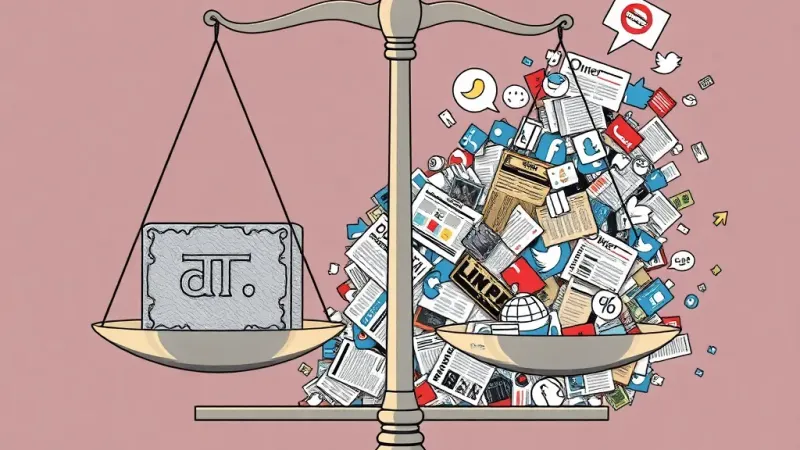
A burgeoning debate within legal, journalistic, and humanitarian circles questions whether the news media's increasingly broad application of the term "genocide" is inadvertently eroding its specific legal definition and profound historical gravity. Critics argue that the frequent, sometimes uncritical, deployment of the word risks desensitizing the public and diminishing the international community's capacity to identify and respond to actual acts of genocide as defined by law. This escalating concern points to a significant challenge for both responsible journalism and the integrity of international humanitarian law.
The United Nations Convention on the Prevention and Punishment of the Crime of Genocide, ratified in 1948, meticulously defines genocide as specific acts "committed with intent to destroy, in whole or in part, a national, ethnical, racial or religious group, as such." This legal framework specifies acts such as killing members of the group, causing serious bodily or mental harm, deliberately inflicting conditions of life calculated to bring about its physical destruction, imposing measures intended to prevent births, and forcibly transferring children of the group to another group. Legal scholars emphasize that the crucial element distinguishing genocide from other horrific crimes is this specific "intent to destroy" a protected group.
However, observers suggest that modern media coverage often veers from this stringent legal standard, applying the term to a wider array of atrocities, conflicts, or politically charged situations. This expansive usage, while sometimes reflecting genuine outrage, blurs the lines between mass killings, war crimes, and crimes against humanity, and the distinct crime of genocide. "When every major conflict is immediately labeled a 'genocide' without careful legal analysis, the term loses its unique power," stated Dr. Aris Thorne, a retired international law professor and human rights advocate. "It becomes a rhetorical flourish rather than a precise call to action under international law." This semantic inflation, experts warn, could inadvertently weaken the international legal instruments designed to prevent and punish the most heinous crimes against humanity, making it harder to prosecute genuine instances of genocide and eroding public understanding of its severe implications.
Some journalists contend that the urgency of reporting on unfolding humanitarian crises often necessitates strong language to galvanize public attention and prompt intervention. Ms. Lena Petrova, a veteran foreign correspondent, remarked, "Our role is to convey the human suffering and systemic brutality we witness. While legal precision is important, sometimes the sheer scale of atrocities feels like it demands a term of utmost gravity, even if a formal legal determination is still pending." Yet, even those sympathetic to this viewpoint acknowledge the profound responsibility accompanying such powerful terminology. The potential for political exploitation of a diluted term is also a significant worry, where states or groups might weaponize "genocide" accusations for strategic advantage rather than genuine concern for justice.
The consensus among critics is a call for greater editorial discipline and a renewed commitment to precision when reporting on complex international conflicts. This includes distinguishing between strong rhetorical condemnations and actual legal determinations of genocide, which typically require extensive investigation and a high burden of proof. The integrity of international law and the effective response to future atrocities may well depend on the media's willingness to uphold the specific and solemn meaning of "genocide," ensuring that its application remains a precise instrument of justice rather than a casualty of a collapsing definition.