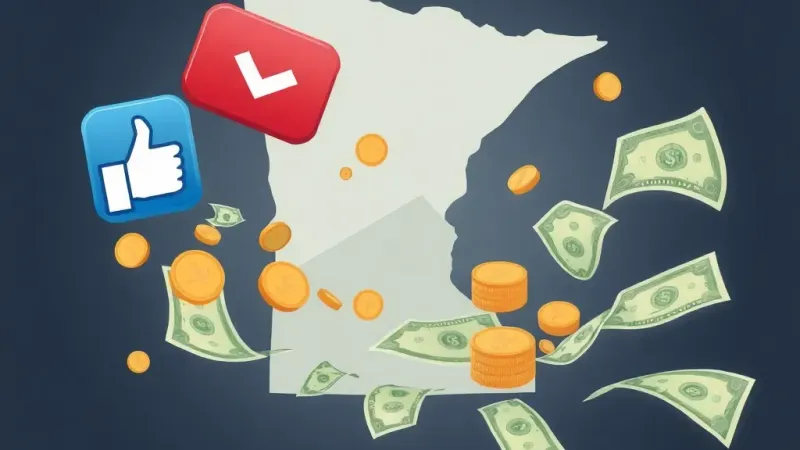
Minnesota lawmakers are actively considering a pioneering legislative proposal to levy a tax on social media platforms operating within the state. This move, aimed at generating substantial state revenue while addressing societal impacts attributed to widespread digital engagement, marks a significant step in the national discourse regarding tech regulation. The potential imposition has ignited fervent debate among advocates and critics, positioning Minnesota at the forefront of a complex policy discussion.
Proponents emphasize dual benefits. Advocates point to increasing strain on public services, particularly mental health initiatives, as consequence of pervasive social media use. By taxing digital advertising revenue, the state could secure a dedicated funding stream, estimated to reach upwards of $150 million annually. This revenue, proponents argue, could be earmarked for youth mental health programs, digital literacy, and combating online misinformation.
"The time has come for these massively profitable digital entities to contribute meaningfully to the communities from which they extract value," stated Ms. Evelyn Reed, a policy analyst with the Digital Responsibility Initiative. "This isn't merely about funding; it's about acknowledging and mitigating the profound influence these platforms wield over public discourse and individual well-being. A social media tax confirms Minnesota's commitment to prioritizing its citizens over corporate profits."
However, the proposal faces considerable pushback from technology industry representatives and civil liberties organizations. Critics warn that such a tax could set a dangerous precedent, potentially infringing upon free speech rights and stifling digital innovation. Concerns also exist regarding implementation practicalities, including determining the tax base and ensuring equitable application without disproportionately affecting small businesses.
Mr. Daniel Chen, representing the Coalition for Digital Liberty, voiced strong opposition. "Taxing social media usage or revenue amounts to taxing communication itself," Mr. Chen asserted. "This legislation could impede the free exchange of ideas, burden Minnesota businesses attempting to reach customers, and ultimately harm users. We must explore less intrusive means."
The exact mechanisms of the proposed tax remain under discussion, though early drafts suggest targeting a percentage of advertising revenue derived from Minnesota users. Lawmakers are carefully studying similar digital service taxes implemented in European nations to glean insights into potential pitfalls. The debate is further complicated by constitutionality questions, with some legal scholars suggesting the tax could face challenges under federal commerce clauses or First Amendment protections.
As the legislative session progresses, the social media tax proposal is expected to undergo rigorous committee review. Its journey through the Minnesota State Capitol will be closely watched nationwide, not only for its potential impact on the state's budget and digital landscape but also as a bellwether for how other states might approach regulating and monetizing social media.