
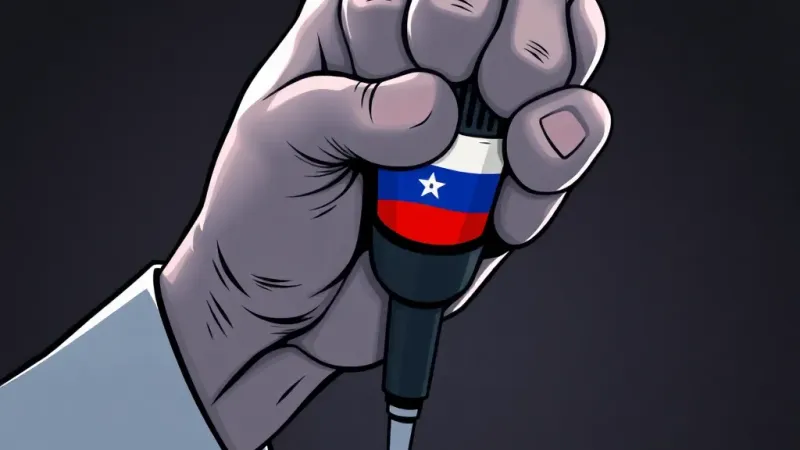
Moscow's top diplomat, Maria Zakharova, has unleashed a fierce critique against Western nations, accusing them of systematically suppressing Russian media and journalists operating abroad. Speaking from the Russian Foreign Ministry headquarters, Zakharova asserted that these actions constitute a grave assault on fundamental principles of press freedom and represent a blatant hypocrisy from countries that routinely champion democratic values. The accusations come amidst escalating geopolitical tensions, further exacerbating the already strained relationship between Russia and the West.
Zakharova detailed a litany of alleged infringements, including arbitrary visa denials for Russian journalists, the closure of bank accounts belonging to state-affiliated media outlets, and the revocation of accreditation for correspondents without due process. She cited instances of what she termed "harassment campaigns" against Russian reporters, alleging that their professional activities are being deliberately obstructed through administrative barriers and public pressure. This systematic obstruction, she argued, is designed to silence alternative narratives and control the information space, directly contradicting the West's proclaimed commitment to a diverse media landscape.
While Moscow's claims are strident, Western governments have consistently defended their actions, often citing concerns over state-sponsored disinformation campaigns and national security imperatives. Dr. Eleanor Vance, a respected scholar of international communications at the Kensington Institute, commented on the situation. "Many Western nations view certain Russian media outlets not merely as independent news organizations, but as instruments of state policy designed to project influence and, at times, propagate narratives inconsistent with factual reporting," Dr. Vance stated. "The distinction between journalism and state-funded propaganda becomes incredibly blurry in the current geopolitical climate, leading to these inevitable clashes."
The ongoing dispute over media freedom has deep roots, with both sides having previously engaged in tit-for-tat measures regarding journalist access and operational capabilities. Russia itself has imposed restrictions on foreign media it deems "unfriendly" or engaged in activities deemed detrimental to national interests. However, Zakharova maintained that the scale and nature of Western actions against Russian journalists were disproportionate and politically motivated, designed to stifle any voice that challenges the dominant Western viewpoint on current global events.
This diplomatic confrontation underscores a deepening chasm in international relations, where information itself has become a battleground. The impasse over media treatment not only jeopardizes the safety and operational capacity of journalists but also signals a further erosion of trust and dialogue between major global powers. With neither side showing signs of concessions, the fate of cross-border journalism, already precarious, appears destined for continued volatility, complicating any potential path towards de-escalation.


