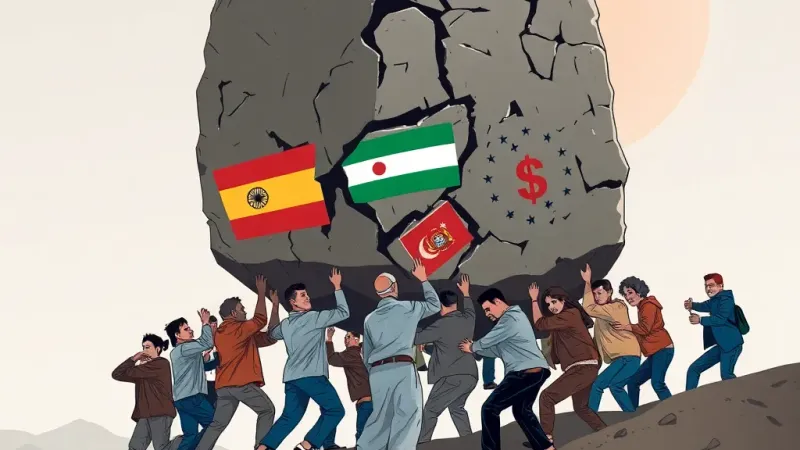
A profound and often uncomfortable question has re-emerged within the national consciousness: what level of sacrifice are citizens prepared to make in the event of widespread conflict? This isn't merely a theoretical exercise; recent commentary and analyses highlight a growing introspection regarding the profound implications of modern warfare on everyday life, far beyond the battlefield.
Historically, major conflicts have galvanized populations, demanding sacrifices that ranged from rationing and wartime industries to widespread conscription. Generations past understood the collective burden, with entire communities mobilizing resources and manpower. However, the nature of conflict has evolved, and with it, the public's direct engagement. For decades, the nation has relied on an all-volunteer military, effectively insulating a significant portion of the populace from the direct, tangible costs of war. This model, while efficient, has inadvertently fostered a disconnect, leading some to question whether the broader public truly grasps the potential demands of a large-scale, sustained engagement.
Economically, the implications are vast. A hypothetical major conflict would inevitably divert substantial national resources, potentially impacting everything from social programs to consumer goods. "The notion that a nation can engage in protracted, high-intensity conflict without significant domestic economic restructuring is a dangerous delusion," stated Dr. Alistair Finch, a senior fellow at the Institute for Strategic Policy. "Sacrifice isn't solely about military service; it's about reallocating national wealth, potentially enduring inflation, shortages, and a fundamental shift in economic priorities."
Beyond economic strains, the discourse also touches upon the more personal dimensions of sacrifice. Would the public accept limitations on civil liberties, increased surveillance, or even a return to conscription in a dire national emergency? Community organizer Ms. Lena Petrova voiced a common concern: "Many worry that the burden of such sacrifices would disproportionately fall on the shoulders of working-class families and marginalized communities, perpetuating existing inequalities rather than fostering a truly shared national effort." She emphasized the need for transparent leadership and equitable distribution of burdens.
This re-evaluation signals a critical juncture in national strategy. As geopolitical uncertainties intensify, policymakers are increasingly compelled to consider not only military readiness but also the societal resilience and collective will required to navigate future challenges. The ongoing debate underscores a fundamental truth: a nation's capacity for conflict extends far beyond its armed forces, rooted deeply in the resolve and readiness of its citizenry to collectively endure, adapt, and sacrifice for a perceived greater good.