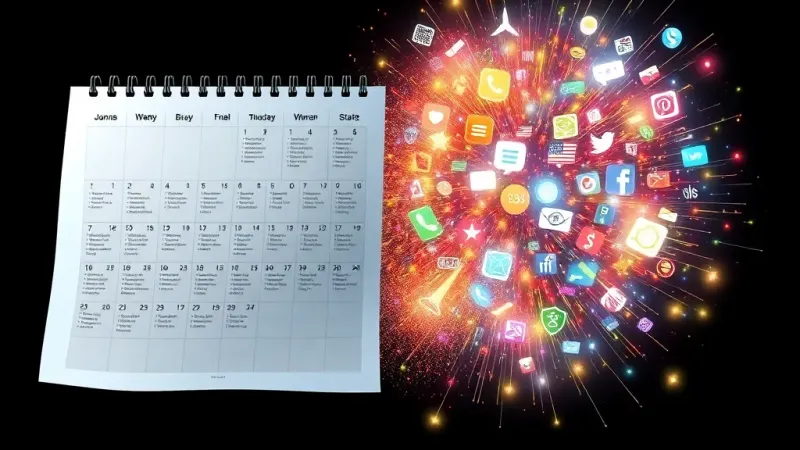
The National Football League's annual schedule release, once a perfunctory dissemination of game dates, has dramatically evolved into a premier digital marketing phenomenon, effectively becoming the league's "springtime social media Super Bowl." This mid-May unveiling, eagerly anticipated by fans across the globe, now serves as a high-stakes arena for creativity, wit, and viral engagement among all 32 franchises, generating unprecedented online buzz long before the first kickoff. What began as a simple broadcast of matchups has transformed into a meticulously choreographed digital spectacle, showcasing teams' unique brands and fostering fervent fan interaction.
Teams no longer simply list their opponents and game times. Instead, they unleash a torrent of highly produced content, ranging from elaborate cinematic trailers and pop culture-infused skits to humorous memes and intricate animated shorts. These productions, often featuring celebrity cameos, local landmarks, and self-deprecating humor, compete fiercely for fan attention, views, and shares. The Arizona Cardinals frequently utilize intricate stop-motion animation, while the Los Angeles Chargers are legendary for their anime-inspired narratives, consistently breaking engagement records. This creative arms race elevates the event beyond mere information, making it a cornerstone of the NFL's year-round relevance.
The impact on fan engagement is undeniable. Millions tune into official league channels, team social media accounts, and sports media outlets in the hours leading up to and immediately following the release. Hashtags trend globally, analysts dissect every perceived strength and weakness of each team's path to the playoffs, and fans immediately begin speculating on primetime matchups and potential Super Bowl contenders. It’s a collective moment of communal fantasy football planning and loyalty declaration. This intense engagement extends far beyond traditional viewership, drawing in a younger, digitally native audience accustomed to interactive and shareable content.
From a business perspective, the schedule release is a masterclass in modern sports marketing. It extends the NFL's dominance well beyond the playing season, maintaining brand visibility and generating significant media value during an otherwise quieter period. The surge in website traffic, merchandise sales predictions, and early ticket interest provides a tangible economic boost. "The schedule release is no longer just about announcing games; it's about setting the narrative for the entire year, fueling fan excitement, and cementing our bond with a global audience," stated Mr. Elias Vance, a fictional Senior Marketing Strategist for a major sports analytics firm.
This evolution underscores a broader trend in professional sports: the transition from pure athletics to comprehensive entertainment properties. The NFL has masterfully adapted to the digital age, recognizing that engaging fans requires more than just high-stakes competition; it demands constant, innovative content that resonates on multiple platforms. The schedule release now stands as a testament to the league’s astute understanding of digital culture, transforming what could be a dry announcement into a vibrant, interactive spectacle that generates immense anticipation and reinforces its unparalleled position in the American sports landscape. It’s not just a schedule; it’s an event, a performance, and a powerful demonstration of cultural relevance.