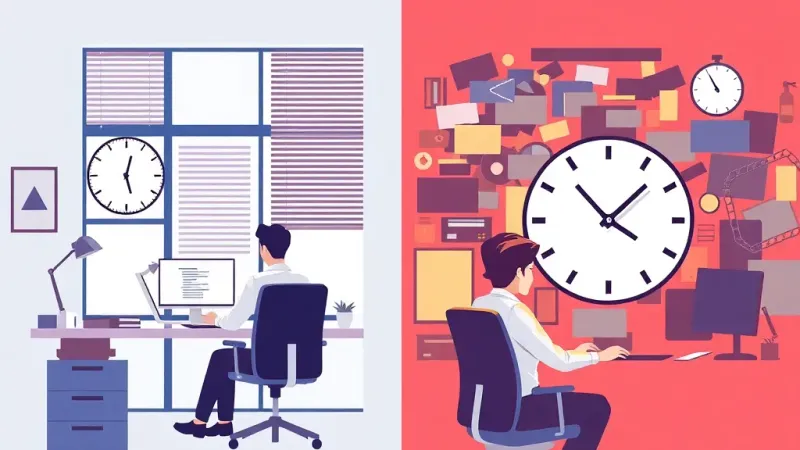
Eleanor Vance, a software engineer originally from Seattle, Washington, has garnered significant online attention through a series of viral videos detailing her professional experiences in Finland. Now based in Helsinki, Vance’s candid observations and side-by-side comparisons of American and Finnish work cultures have illuminated a profound divergence in workplace philosophies, captivating millions and sparking widespread debate across social media platforms. Her content meticulously highlights fundamental disparities, from daily routines to long-term career expectations, painting a vivid picture of two radically different approaches to labor and employee welfare.
Vance's videos frequently showcase the hallmarks of the Finnish professional environment. She illustrates a culture where efficiency and outcomes are prioritized over mere presence. Finnish workplaces, according to Vance, often feature generous lunch breaks, typically extending to an hour, and a strict adherence to working hours, with employees rarely expected to remain past their scheduled finish time. Vacation entitlements are notably extensive, with many Finnish workers enjoying five to six weeks of paid annual leave, a stark contrast to the often-limited provisions in the United States. Furthermore, the emphasis on flat organizational hierarchies and collaborative decision-making fosters an environment where individual input is highly valued, contributing to a sense of empowerment among staff.
In juxtaposing her current reality with her past experiences in the U.S. tech sector, Vance frequently references the American "hustle culture." She describes a prevailing expectation for continuous availability, shorter lunch breaks, and an implicit pressure to log extended hours to demonstrate commitment. Paid time off, while varying by company, generally falls far short of Finnish standards, often leading to burnout and a perceived lack of work-life integration. The videos have resonated with many American viewers who identify with the often relentless pace and high-pressure environments common in their own professional lives, prompting introspection about alternative models.
"It's not just about the hours you put in; it's about the quality of life you build around those hours," Vance remarked in a recent video, encapsulating the core of her message. "Here, the focus is on sustainable productivity, not just endless output. There’s an understanding that a well-rested, happy employee is a more effective one." Her insights have triggered thousands of comments and shares, with many expressing envy for the Finnish system and questioning the long-term sustainability of American workplace norms. The dialogue generated by her content extends beyond simple comparisons, inviting a deeper examination of societal values and their manifestation in the professional sphere.
Dr. Alistair Finch, a sociologist specializing in international labor trends, weighed in on the phenomenon, stating, "What Ms. Vance's videos illustrate is a fundamental difference in how societies view the relationship between work and personal well-being. The Nordic model, often lauded for its robust social safety nets and emphasis on collective welfare, naturally extends these principles into the workplace. It's a testament to the belief that individual prosperity is intrinsically linked to societal health." The ongoing global conversation fueled by Vance's comparisons continues to challenge traditional notions of professional success, prompting workers and employers worldwide to re-evaluate what truly constitutes a productive and humane work environment.