
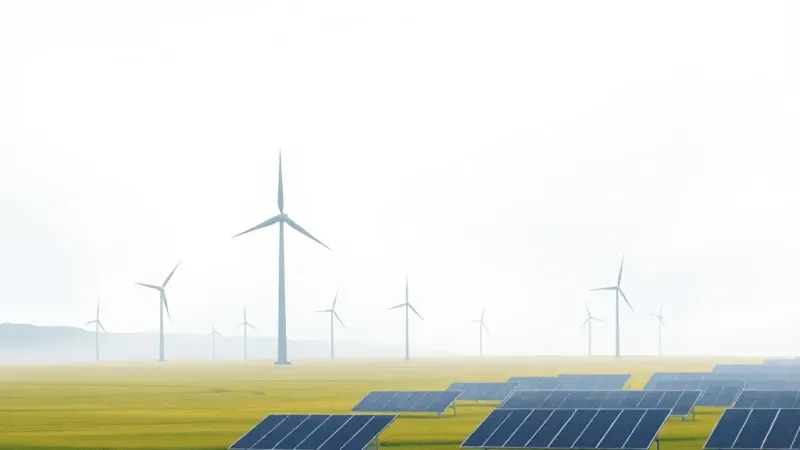
COLUMBUS, OH – Ohio's energy landscape faces an uncertain future following the contentious passage of State Question 7, a ballot initiative designed to regulate renewable energy infrastructure. The measure, which narrowly passed with 50.8% of the vote, has sparked outrage among clean energy advocates who allege that its deliberately confusing wording misled voters into approving what effectively amounts to a ban on new large-scale solar and wind projects.
The ballot text, crafted by a state legislative committee, framed State Question 7 as an affirmation of 'local community control over energy development zones,' suggesting it would empower residents. However, closer examination reveals the proposition’s true impact: it grants local jurisdictions the unprecedented power to veto any utility-scale renewable energy project, a power previously held at the state level. Critics argue this wording cleverly obscured the measure’s restrictive nature, making it appear beneficial while actually stifling green energy growth.
Eleanor Vance, Director of the Ohio Clean Energy Alliance, lambasted the process. “This was not a genuine exercise in democracy; it was a masterclass in obfuscation,” Vance stated in a press conference yesterday. “The average voter, presented with language about ‘local control,’ could easily have been convinced they were supporting their communities, not hindering vital clean energy investments. This misdirection has profound implications for our state’s environmental and economic future.” The close margin of victory for State Question 7 underscores the significant impact this linguistic ambiguity likely had on the final tally.
Proponents of State Question 7, including organizations like Citizens for Local Authority, maintained that the measure was essential for empowering residents and protecting rural areas from unwanted industrial development. Robert Sterling, a spokesperson for Citizens for Local Authority, countered the criticism, stating, “Our communities deserve a greater say in what gets built in their backyards. This initiative ensures that local voices are heard, preventing state-mandated projects that might disrupt our landscapes and livelihoods.”
Nevertheless, the implications for Ohio's burgeoning renewable energy sector are stark. Industry analysts predict a significant slowdown in new solar and wind farm construction, as developers face increased uncertainty and potential local opposition empowered by the new law. This could jeopardize hundreds of millions in private investment and thousands of potential jobs in the green energy sector, pushing Ohio further behind neighboring states in renewable energy deployment. Furthermore, the outcome complicates Ohio's ability to meet future clean energy targets and adapt to a rapidly changing national energy grid.
As the dust settles, calls for greater transparency in ballot language are intensifying. Legal challenges to State Question 7 are being considered, with advocates exploring avenues to overturn or mitigate the effects of a vote they contend was unfairly influenced. The controversy serves as a potent reminder of the critical role precise and unambiguous language plays in the democratic process, especially when complex policy decisions are put directly before the electorate.


