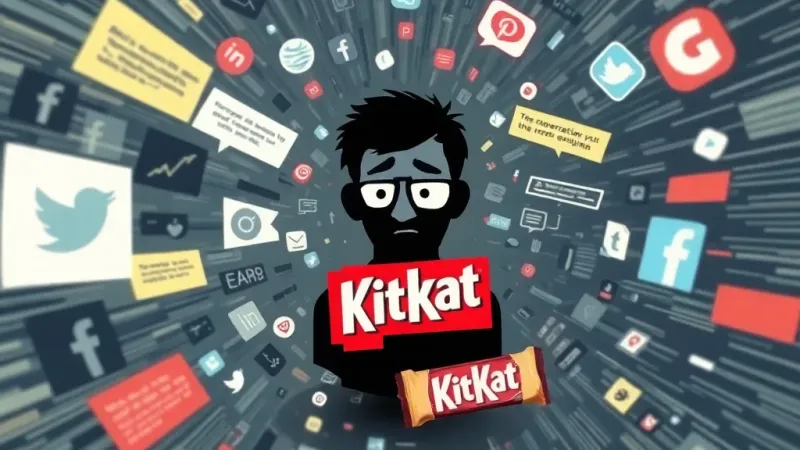
The digital landscape has once again become a battleground for truth and fiction, as a satirical piece concerning former UK Prime Minister Liz Truss, a stolen KitKat, and an alleged “transgender mafia” circulated widely, causing considerable confusion and outrage among online users. What originated as a biting comedic commentary was quickly stripped of its humorous intent, leading to its serious adoption as factual news, necessitating intervention from major fact-checking organizations.
The article, penned by a known satirical publication, presented a fabricated scenario where Ms. Truss, in a purported interview, dramatically blamed a “transgender mafia” for the theft of a KitKat from her office. The piece was crafted with exaggerated language and absurd allegations, characteristic of political satire designed to mock perceived political absurdities. However, screenshots and excerpts from the article were rapidly disseminated across platforms like X (formerly Twitter) and Facebook, often without any indication of their satirical origin. Many users, encountering the content out of context, believed they were reading a genuine news report, expressing shock, anger, or even agreement with the fabricated statements attributed to the former Prime Minister.
"It's alarming how quickly something so clearly ridiculous can gain traction when people don't pause to check the source," commented Dr. Evelyn Reed, a Senior Lecturer in Digital Media Ethics at the Institute of Online Studies. "The internet's speed means misinformation, even when unintentional, spreads like wildfire before context can catch up. This incident underscores a critical need for enhanced media literacy." The satirical narrative painted a vivid, albeit false, picture of Truss's reaction to a trivial office theft escalating into a broad, conspiratorial accusation, meticulously detailing her alleged "investigation" and a supposed "emergency parliamentary debate" on the matter. The article even included mock quotes from unnamed "insiders" lamenting the "dire state of confectionery security."
The rapid proliferation of this misidentified content highlights the ongoing challenges of distinguishing between genuine news and deliberately fabricated or satirical narratives online. Fact-checkers, including Reuters, were compelled to issue comprehensive analyses, clarifying the satirical nature of the original publication and debunking the claims as entirely fictional. These interventions aimed to provide crucial context to a digital audience grappling with an increasingly complex information ecosystem. This incident serves as a stark reminder of the responsibility shared by content creators, platform providers, and individual users in verifying information before sharing, lest comedy unwittingly morph into damaging falsehoods. Without critical engagement, the line between parody and propaganda risks becoming imperceptibly thin, threatening the integrity of public discourse.