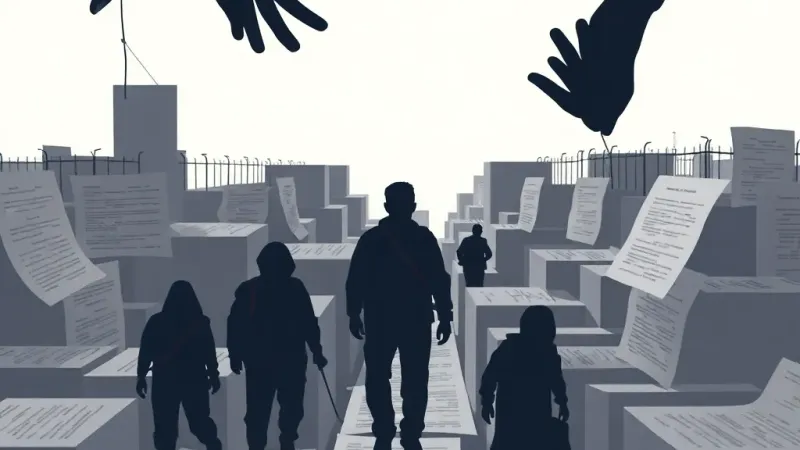
During a period marked by intensified federal immigration enforcement, including military-style sweeps across the United States, a disturbing surge in fraudulent schemes targeting vulnerable immigrants and asylum seekers has been meticulously documented. This confluence of fear and opportunity created fertile ground for unscrupulous individuals to exploit the desperation of those seeking legal protection and stability, resulting in widespread financial and emotional distress.
The era saw federal agents conducting highly visible operations, often described by advocacy groups as 'sweeps,' which instilled profound anxiety within immigrant communities. Reports of even legal residents being apprehended at routine check-ins or near immigration court proceedings became commonplace, fueling a pervasive sense of insecurity. For individuals like Elena Rodriguez, an asylum seeker from Central America residing in a major metropolitan area, the constant threat of deportation was palpable. 'Every siren, every unfamiliar van outside my apartment, would send my heart racing,' Rodriguez recounted, emphasizing the psychological toll of the period.
Amidst this climate of fear, fraudsters capitalized on misinformation and panic. Imposters posed as immigration lawyers, government officials, or community advocates, offering expedited pathways to legal status, protection from deportation, or guaranteed asylum approvals—all for exorbitant fees. Victims were coerced into paying thousands of dollars for services that were either completely fictitious or delivered incompetently, often leaving them in worse legal predicaments. These scams ranged from charging for non-existent visa applications to providing fraudulent legal advice that endangered their residency claims.
Ms. Clara Vance, Director of the Immigrant Rights Coalition, described the period as 'a perfect storm for predatory behavior.' She noted, 'The heightened enforcement created a vacuum of reliable information and left many without trustworthy recourse. Scammers stepped in to fill that void, promising hope where there was only deceit.' Her organization witnessed a staggering increase in reports of fraud, estimating that hundreds of thousands of dollars were collectively siphoned from individuals least able to afford such losses.
Law enforcement agencies struggled to keep pace with the sheer volume and intricate nature of these scams. Perpetrators often operated clandestinely, frequently moving or using disposable communication channels. Authorities consistently warned against unsolicited offers of legal aid and emphasized verifying credentials through official bar associations or reputable legal aid societies. 'Always seek counsel from accredited attorneys or BIA-recognized representatives,' advised Detective Sergeant Benjamin Carter of the Municipal Police Fraud Unit. 'If an offer sounds too good to be true, especially under duress, it almost certainly is.'
The legacy of this period highlights the profound vulnerability of migrant populations caught between stringent enforcement policies and the opportunistic greed of fraudsters. While the intensity of federal sweeps may have ebbed, the lessons learned underscore the critical need for robust community education and accessible, legitimate legal resources to protect those navigating the complex and often terrifying path toward legal residence in the United States.