
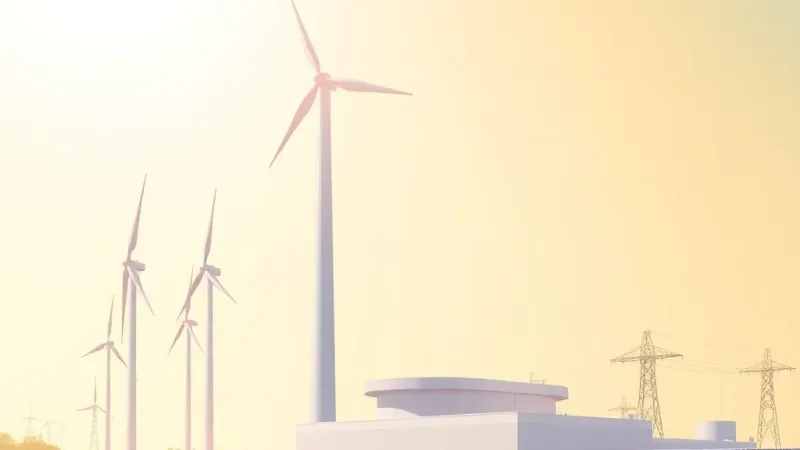
In a landmark development signaling a profound shift in the nation's energy composition, wind and solar power collectively generated more electricity than natural gas across the United States for the first time ever during April. This unprecedented achievement underscores the accelerating momentum of renewable energy sources, challenging the long-held dominance of fossil fuels.
The milestone, reported by energy analysts, reveals that the combined output from towering wind turbines and expansive solar arrays surpassed that of natural gas, which has consistently been the leading electricity source for the past decade. This temporary yet significant ascendancy reflects substantial investments in renewable infrastructure and declining costs, making clean power increasingly competitive.
April often presents unique conditions conducive to this shift. Spring months typically see robust wind patterns across central and western states, coinciding with rapidly increasing daylight hours that boost solar generation. Simultaneously, overall electricity demand tends to dip in the shoulder season between winter heating and summer cooling peaks, creating a window where high renewable output can make a disproportionate impact on the grid's fuel mix.
Data from the U.S. Energy Information Administration has consistently shown rapid deployment of wind and solar capacity. Last year alone, a significant portion of new generating capacity came from these intermittent sources. Experts project this growth trajectory to continue, driven by federal incentives and state-level renewable portfolio standards.
Dr. Evelyn Reed, lead energy strategist at the independent think tank, 'Green Grid Insights,' remarked on the significance. 'This isn't just a statistical anomaly; it's a clear indicator of a systemic transition,' Dr. Reed stated. 'While natural gas remains a critical component of our energy infrastructure, April's performance vividly illustrates the growing capability of renewables to carry a substantial portion of the load. It provides a powerful glimpse into our future energy landscape.'
However, the temporary nature of this lead also highlights ongoing challenges. The intermittent nature of wind and solar — their reliance on prevailing weather conditions — necessitates robust energy storage solutions and advanced grid management systems. Natural gas plants still play a vital role in providing baseload power and quick-response generation to balance grid fluctuations, ensuring reliability when renewable output wanes.
Despite these complexities, the April achievement reinforces the long-term trend towards decarbonization. Policymakers and utility companies are increasingly focused on integrating more renewables, investing in battery storage, and upgrading transmission infrastructure to support a grid less reliant on fossil fuels. This pivotal month serves as a tangible benchmark, underscoring the irreversible acceleration towards a cleaner, more diversified energy future.


