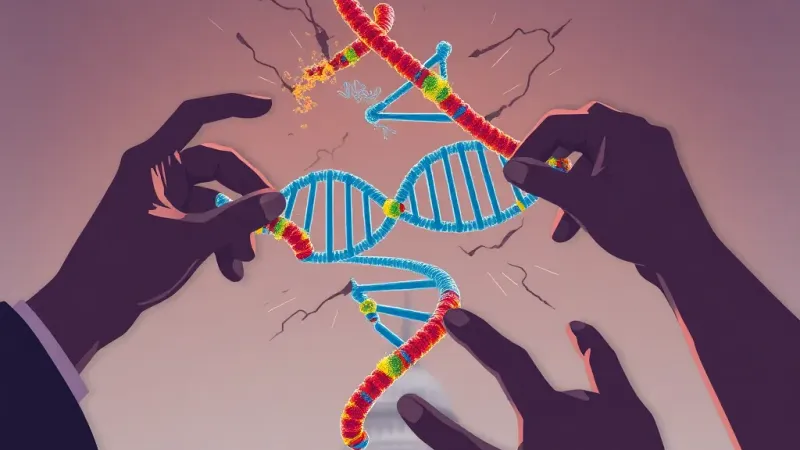
Robert F. Kennedy Jr.'s recent appearance before a congressional committee has ignited a significant public health debate, drawing sharp criticism for his categorical denial of any connection to the nation's burgeoning measles outbreaks and for expressing views challenging the foundational principles of modern medicine. Testifying amidst growing concerns over vaccine hesitancy and resurgent preventable diseases, Kennedy's testimony on Capitol Hill became a focal point for controversy, further entrenching his position as a figure at odds with mainstream scientific consensus.
During the contentious hearing, Kennedy asserted with unwavering conviction that recent spikes in measles cases across several states bore "absolutely nothing to do with him." This declaration comes despite extensive documentation of his long-standing advocacy against established vaccine protocols, a stance critics argue has fueled skepticism and contributed to declining vaccination rates nationwide. Public health officials and medical professionals have consistently pointed to reduced herd immunity as a primary driver behind the reappearance of diseases like measles, which had been largely eradicated in the United States.
Beyond the immediate issue of measles, Kennedy's testimony reportedly ventured into broader critiques of public health institutions and the scientific underpinnings of conventional medical practice. Observers noted a discernible skepticism towards widely accepted medical paradigms, echoing sentiments often heard in circles skeptical of pharmaceutical research, government health advisories, and the integrity of scientific bodies. This disposition, critics argue, undermines the very mechanisms designed to protect population health and inform evidence-based policy.
Dr. Evelyn Reed, a seasoned public health analyst observing the proceedings, expressed profound concern. "To disavow responsibility while actively promoting narratives that erode public trust in vaccines and medical science is deeply troubling," Dr. Reed stated, emphasizing the tangible consequences of such rhetoric. "The resurgence of preventable diseases is not an abstract concept; it represents a direct threat to community health, particularly among vulnerable populations."
The implications of Kennedy’s statements, particularly from a declared presidential candidate, extend beyond academic discourse. His remarks threaten to further polarize public opinion on critical health matters, complicating efforts by health agencies to maintain high vaccination coverage and respond effectively to public health crises. As the nation navigates persistent challenges from infectious diseases and health misinformation, the discourse surrounding scientific consensus and public trust remains more vital than ever. Kennedy's congressional appearance has thus served as a stark reminder of the ongoing tension between individual liberty arguments and collective public health imperatives, a tension that continues to define contemporary debates over medical authority and policy.