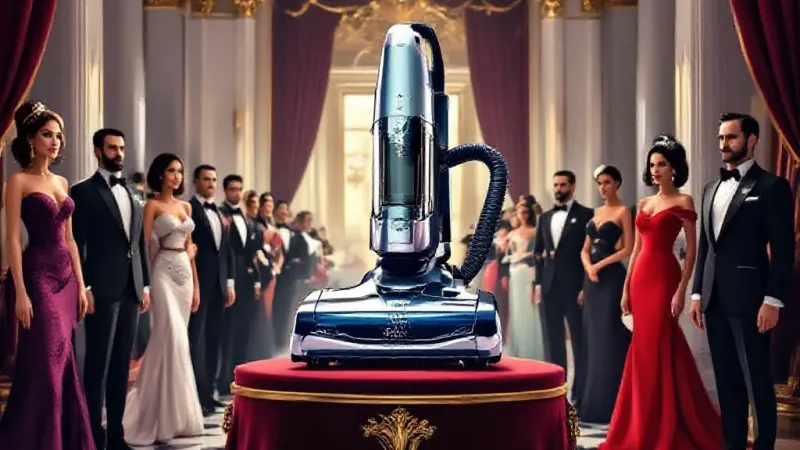
SharkNinja, the purveyor of home appliances from blenders to vacuums, has announced a significant recalibration of its marketing strategy: out with the aspirational celebrity endorsement, in with the relatable online comedian. This pivot reflects a broader industry acknowledgment that the traditional gravitas of an A-lister, once a dependable conduit to consumer wallets, now struggles to compete with the algorithmic efficiency of a well-placed TikTok sketch. The company's move signals a calculated pursuit of "new buyers," a demographic increasingly immune to the polished pronouncements of celebrity and more receptive to the unvarnished (or carefully staged unvarnished) humor of digital creators.
For years, celebrity endorsements have operated on a simple premise: borrow the sheen of fame, apply it to a product, and watch sales rise. However, in an attention economy saturated with competing stimuli, the efficacy of this model has dwindled. Brands are now contending with astronomical talent fees, diminishing returns on traditional media buys, and a fragmented audience whose loyalty often lies with individual creators rather than established platforms or personalities. SharkNinja's shift isn't merely a creative choice; it’s an economic recalculation, a concession that the direct engagement offered by a creator often outperforms the expensive, passive association of a household name. This is particularly salient as brands grapple with the cost-benefit analysis of reaching audiences on platforms like TikTok and Instagram, where authenticity, however manufactured, reigns supreme.
The choice of comedy creators specifically highlights a further evolution in brand communication. In an era where product features can be easily replicated, and market differentiation often comes down to narrative, humor serves as a potent vehicle for connection. It’s shareable, reduces perceived sales pressure, and can generate viral interest far beyond the reach of a conventional ad spot. By enlisting creators who inherently understand the mechanics of engagement on their respective platforms, SharkNinja aims to embed its products into cultural conversations rather than merely presenting them. This strategy acknowledges that the modern consumer often expects to be entertained as much as informed, turning the purchase journey into another piece of content in the endless scroll.
This strategic re-allocation of marketing capital underscores the ongoing power shift within the digital landscape. Media companies and traditional advertising agencies once dictated the terms of consumer reach; now, individual creators, empowered by platform algorithms, hold increasing sway. SharkNinja’s decision to pursue humor through this new class of digital influencer offers a candid look at how legacy brands are adapting to a media environment where relatability is the new aspirational, and a well-timed joke can be a more effective sales tool than a supermodel's endorsement. The quest for consumer attention, it seems, has become a comedy circuit.