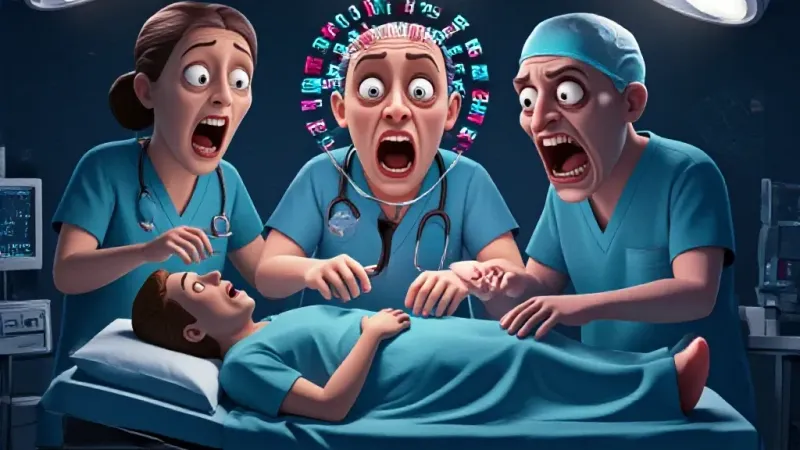
The recent acknowledgement from Poynter, a standard-bearer for journalistic ethics, regarding the proliferation of health advice on TikTok and Instagram serves as a stark, if unsurprising, reminder of the contemporary media landscape. It is less a question of "if" individuals are receiving medical guidance from short-form video feeds and more a query into the systemic conditions that have elevated these platforms to such an unexpected role. The digital town square, it seems, has inadvertently annexed the clinic.
For years, platforms like Meta's Instagram and ByteDance's TikTok have optimized for engagement above all else. Algorithms are meticulously crafted to identify and amplify content that holds user attention, translating into more ad impressions and, crucially, more data. The precise nature of that content—whether it is a dance trend, a cooking tutorial, or a dubious dietary recommendation—is often secondary to its capacity to capture and retain the ephemeral attention of a scrolling user. Health information, particularly that which offers quick fixes, dramatic personal anecdotes, or contradicts established wisdom, proves remarkably effective at this. It generates comments, shares, and passionate debate, all metrics that the algorithm readily devours.
This dynamic presents a significant conundrum for the platforms, which consistently attempt to frame themselves as neutral conduits rather than publishers. Yet, by actively promoting certain content over others based on engagement signals, they undeniably exert editorial influence, particularly in areas as sensitive as public health. The economic incentives are clear: more engagement, regardless of veracity, equates to more profit. The responsibility for vetting the qualifications of a self-proclaimed 'health guru' with millions of followers often falls far down the priority list, overshadowed by quarterly earnings calls and user growth targets.
The void this information now fills is also worth noting. The decline in local news reporting, often including dedicated health and science beats, has left many communities without accessible, trusted sources of medical information. Into this vacuum rushes the hyper-personalized, algorithmically-curated feed, offering a seemingly endless stream of answers, often presented with compelling personal narratives or high production value. The implicit authority granted by millions of views, coupled with the platforms' reluctance to act as content arbiters, creates a fertile ground for everything from harmless fads to actively dangerous misinformation.
As Poynter's observation underscores, the public health implications are considerable. Platforms are now faced with the intractable problem of moderating millions of pieces of health content, a task for which their core business model—maximizing attention—is fundamentally ill-suited. While some platforms issue half-hearted warnings or point to external resources, the underlying engine of content amplification remains largely unchanged. The unintentional transformation of social media feeds into primary health resources is not merely a user habit; it is a direct consequence of an information economy that prioritizes clicks over clarity, and ad revenue over accurate advice. This particular side effect of the attention economy is proving to be far more serious than a merely wasted afternoon.