
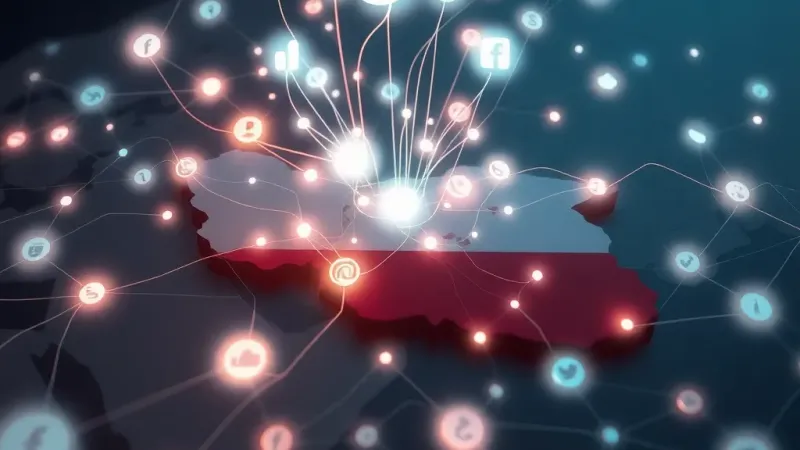
Tehran is increasingly engaged in a comprehensive and aggressive "social media war," employing sophisticated tactics across various digital platforms to control information, counter dissent, and project its influence globally. This strategic pivot to the online realm signifies a critical battleground for public perception, as the Iranian government deploys an intricate network of state-backed accounts and content creators to propagate its agenda while simultaneously attempting to stifle opposition voices.
The digital offensive involves a dual approach: a proactive dissemination of state-approved narratives and a robust effort to neutralize perceived threats from opposition groups and foreign adversaries. These operations are observed on major platforms such as X (formerly Twitter), Instagram, and Telegram, where content ranging from official statements and cultural promotion to highly coordinated disinformation campaigns is circulated. The primary objectives appear to be bolstering domestic support for the regime, eroding international criticism, and shaping regional geopolitical discourse.
"What we are witnessing is a highly centralized and adaptable strategy," stated Dr. Alistair Finch, a senior researcher at the International Digital Policy Institute. "Iranian state actors are not merely broadcasting; they are actively engaging, infiltrating conversations, and often creating echo chambers to amplify their messages. Their tactics evolve rapidly, making detection and attribution a constant challenge for independent observers and platform security teams." Dr. Finch highlighted instances of coordinated inauthentic behavior, where numerous accounts appear to be operated by a single entity or a small group, pushing identical or subtly varied content to simulate organic support.
Domestically, the digital battle aims to manage public sentiment amid economic pressures and social unrest. State media outlets and aligned channels regularly flood Iranian social media spaces with content designed to underscore national achievements, downplay internal issues, and discredit critics. Internationally, the focus broadens to challenge Western narratives, promote Iranian foreign policy objectives, and influence opinion in key regions, particularly across the Middle East. This includes countering allegations of human rights abuses and framing regional conflicts from Tehran's perspective.
Despite the government’s extensive efforts, it faces significant pushback. Citizen journalists and opposition groups often use the same platforms to expose state actions and organize protests, leading to a perpetual cat-and-mouse game involving censorship, VPN circumvention, and account suspensions. The constant tension reflects a broader struggle for information control, where access to unfiltered news and diverse viewpoints remains a critical demand for many Iranians. The long-term implications for freedom of expression and digital rights within the country are profound, as the lines between legitimate public discourse and state-orchestrated messaging become increasingly blurred. The escalating conflict underscores the growing importance of digital sovereignty and the global impact of online influence operations.


