Dhaka, Bangladesh — The vibrant, often biting, tradition of political cartooning in Bangladesh is facing an existential threat, retreating from public view amidst an intensifying climate of self-censorship and pervasive corporate pressure. A comprehensive new analysis highlights a significant reduction in the quantity and critical edge of satirical artwork published across the nation’s media landscape.
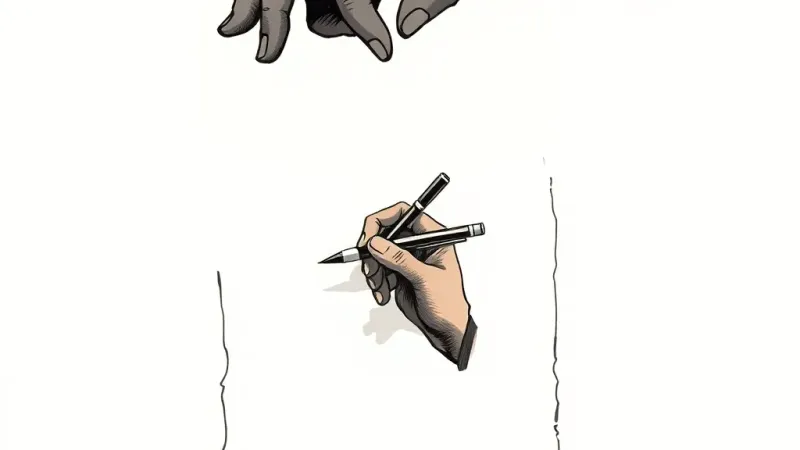
The report underscores how a pervasive sense of fear has compelled cartoonists and their editors to exercise extreme caution, leading to a noticeable softening of commentary on government policies and political figures. This self-imposed restraint is often a preemptive measure to avoid potential legal repercussions, including charges under stringent libel laws or other punitive actions that can stem from critical depictions. The memory of past crackdowns and the uncertainty surrounding editorial freedoms cast a long shadow over newsrooms, transforming once fearless pencils into instruments of apprehension.
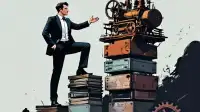
Beyond the specter of state intervention, corporate ownership and advertising revenue exert a powerful, often subtle, pressure that further muzzles dissenting voices. Many media outlets in Bangladesh are owned by large conglomerates with diverse business interests, making them vulnerable to governmental influence or reluctant to offend powerful entities that are also key advertisers. Editors, acutely aware of their publications’ financial dependencies, frequently lean towards caution, prioritizing commercial viability over potentially provocative satire.
“The space for truly independent, critical commentary is shrinking rapidly,” stated Dr. Aisha Rahman, a media ethics professor at Dhaka University, speaking on the report’s findings. “What we’re witnessing is not just a decline in the number of cartoons, but a fundamental shift in their character. They are becoming less challenging, less incisive – losing their very essence as a form of social and political critique. This has profound implications for public discourse and accountability.”
Historically, political cartoons have served as a crucial barometer of democratic health, offering visual commentary that often bypassed literacy barriers and spoke truth to power with humor and poignancy. Their diminished presence leaves a significant void in the country’s public sphere, depriving citizens of a vital avenue for engaging with and critiquing contemporary events. The report details instances where sharp, insightful cartoons were either heavily diluted or outright rejected, replaced by benign illustrations or simply left unpublished.
As the ink fades, so too does a potent form of democratic expression. The collective impact of self-censorship, fueled by legal concerns, and the economic pressures exerted by corporate structures is creating a media environment where the once-courageous art of political cartooning struggles to survive. Observers warn that without concerted efforts to safeguard artistic and editorial independence, Bangladesh risks losing a vital mirror that reflects society’s true image, leaving an informed public starved of critical visual commentary.