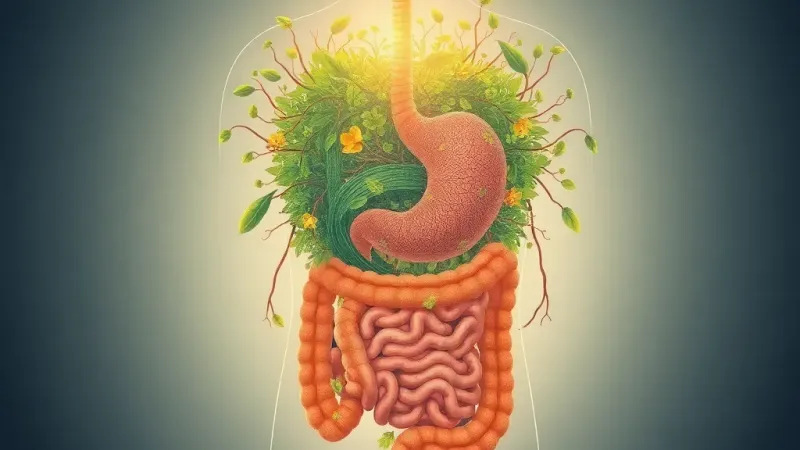
A new dietary movement, dubbed "fibermaxxing," is rapidly gaining traction across health communities, advocating for a significant increase in daily fiber intake. Far from a fleeting internet fad, this burgeoning trend is increasingly validated by nutritional science, with experts highlighting its profound potential to revolutionize digestive health, promote sustained weight management, and mitigate the risk of chronic diseases. The core principle involves consciously incorporating more fiber-rich foods into one's diet, moving beyond recommended minimums to harness a wider spectrum of physiological advantages.
Proponents of fibermaxxing point to a robust body of evidence underscoring fiber's critical role in human health. Dietary fiber, a non- digestible carbohydrate found primarily in plants, acts as a cornerstone for a healthy gut microbiome. It serves as a vital fuel source for beneficial gut bacteria, leading to the production of short-chain fatty acids that support intestinal integrity and immune function. Furthermore, fiber promotes regularity, preventing constipation and contributing to a more efficient digestive system. Beyond the gut, increased fiber intake is associated with improved blood sugar control, lower cholesterol levels, and a reduced risk of cardiovascular disease and certain cancers.
"The scientific consensus on fiber's benefits is undeniable," states Dr. Alistair Finch, a senior nutritionist at the Institute for Holistic Wellness. "What fibermaxxing brings to the forefront is a proactive approach to maximizing these benefits, moving individuals towards a more plant-forward eating pattern. We're talking about a tangible shift that can lead to improvements in energy levels, satiety, and even mental clarity." Dr. Finch emphasizes the importance of diverse fiber sources, recommending a mix of soluble fibers found in oats, beans, and fruits, and insoluble fibers abundant in whole grains and vegetables. The recommended daily intake for adults typically hovers around 25-38 grams, but fibermaxxing often pushes beyond these figures, sometimes reaching upwards of 50 grams for those diligently pursuing enhanced outcomes.
Implementing fibermaxxing requires a thoughtful approach. Gradually increasing fiber intake is paramount to avoid digestive discomfort such as bloating or gas. Hydration also plays a crucial role; fiber absorbs water, and insufficient fluid intake can exacerbate adverse effects. Foods like legumes, whole grains, fruits with edible skins, and a variety of vegetables are central to this dietary regimen. Many participants report feeling fuller for longer, aiding in calorie control and sustainable weight loss without feeling deprived. This sustained satiety is a significant factor in the trend's appeal, offering a practical solution to common dietary challenges.
While the term "fibermaxxing" may be new, the underlying nutritional principles are well-established. Its rising popularity underscores a growing public awareness of the deep connection between diet and overall well-being. As individuals increasingly seek accessible and effective ways to optimize their health, the focus on nutrient-dense, fiber-rich foods presents a compelling pathway. The movement encourages a return to fundamental dietary wisdom, promising long-term health dividends for those willing to commit to this powerful, plant-based nutritional strategy. Consulting with a healthcare professional or registered dietitian is always advisable to tailor any significant dietary changes to individual needs and health conditions.