
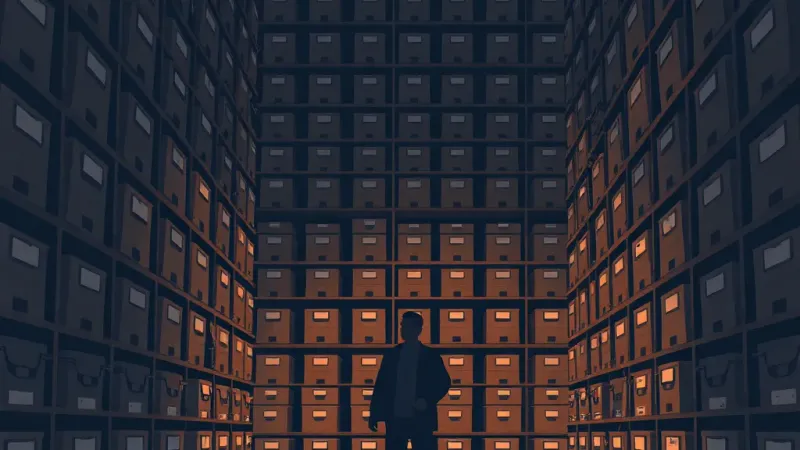
In a revealing observation that cuts to the core of journalistic practice, a recent statement from a prominent media outlet declared, 'Count not the stories published but the stories killed.' This stark pronouncement underscores a critical, often unseen dimension of news production: the multitude of investigations, reports, and narratives that, for various reasons, never see the light of day. It’s a shadow archive of potential truths, shaped by a complex interplay of ethical considerations, pragmatic constraints, and sometimes, external pressures.
The act of 'killing' a story is far from uniform. In many instances, it is a responsible editorial decision. A lead may prove uncorroborated despite exhaustive research, presenting a risk of misinformation or defamation. 'Our primary duty is to accuracy,' stated Eleanor Vance, a veteran editor with Metropolis Chronicle. 'Every 'killed' story represents a judgment call, balancing public interest against verifiable facts and very real legal risks. Sometimes, the evidence just isn't solid enough to stand up in court or to meet our internal standards.'
However, other factors frequently contribute to a story's demise. Resource allocation often plays a significant role; a deep-dive investigation into complex financial malfeasance, for example, might be shelved if the time, budget, and personnel required are simply unavailable. Legal threats from powerful entities, even if baseless, can deter publications with limited litigation funds. Furthermore, more insidious pressures, such as implicit or explicit influence from advertisers or political figures, can also steer editorial decisions away from sensitive topics, creating a form of self-censorship.
Mark Jensen, a seasoned investigative reporter for over two decades, expressed a familiar sentiment among his peers. 'You invest weeks, sometimes months, only for a piece to be spiked,' he remarked. 'It hurts, because you believe in the story’s merit. But you learn that not every truth is ready, or safe, to be told immediately.' This internal struggle highlights the difficult ethical tightrope journalists walk daily.
The cumulative effect of these unwritten stories is profound. It means that the public's understanding of events, institutions, and power dynamics is implicitly shaped not only by what is reported but by what is deliberately or inadvertently suppressed. The 'killed' stories represent a silent influence on public discourse, reminding us that the gatekeepers of information hold immense power, not just in what they choose to amplify, but in what they choose to silence.


