
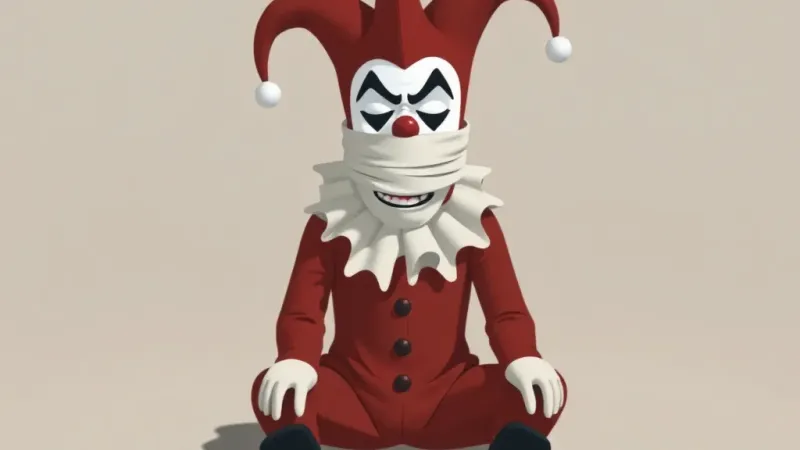
London, UK – A growing chorus of cultural commentators and free speech advocates is sounding the alarm over what they describe as the systematic undermining of satire, a critical mechanism for holding power accountable and fostering vibrant public discourse. The ancient art of comedic critique, long revered for its capacity to puncture pomposity and expose hypocrisy, is reportedly facing unprecedented challenges in the contemporary landscape.
Historically, from the biting social commentary of Jonathan Swift to the political cartoons of the Enlightenment and modern late-night hosts, satire has served as society’s jester, often allowed to speak truths others dare not utter. Its power lies in its ability to disarm serious topics with humor, making complex issues accessible while simultaneously provoking critical thought and encouraging a questioning public. Without this vital corrective, the narrative warns, societies risk losing a crucial lens through which to examine their own absurdities and demand better from their leaders.
However, analysts point to a confluence of factors contributing to its current precarious position. The hyper-polarized political environment, coupled with the rapid dissemination of information and misinformation across digital platforms, has blurred the lines between genuine critique and perceived malice. Online mobs and 'cancel culture' phenomena are frequently cited as deterrents, fostering an environment where artists and writers may self-censor to avoid personal and professional repercussions.
Dr. Anya Sharma, a senior research fellow at the Institute for Media Ethics, noted, "The digital age, while offering unprecedented reach, has also created a chilling effect. The fear of misinterpretation or targeted backlash can stifle the very bravery satire demands. When every joke is scrutinized for perceived offense rather than its underlying message, the cutting edge of critique dulls." The financial pressures on independent media organizations also contribute, as advertising revenues often favor less controversial content. Legal threats, even if unfounded, can be enough to silence smaller publications or individual creators.
Mr. Marcus Thorne, director of the 'Wit for Wellness' initiative, stated, "When satire falters, we lose more than just a laugh. We lose a vital early warning system for societal disfunction, an indispensable tool for accountability." While some argue that satire is merely evolving, adapting to new platforms like memes and short-form video, many believe that the nuanced, sustained critique characteristic of traditional satirical forms is particularly vulnerable. Advocates are calling for greater public literacy in understanding satirical intent and for institutions to actively protect and champion spaces where critical humor can thrive without undue pressure. The debate underscores a fundamental question about the health of modern democracy: can societies truly challenge power if their most potent comedic weapons are blunted?


