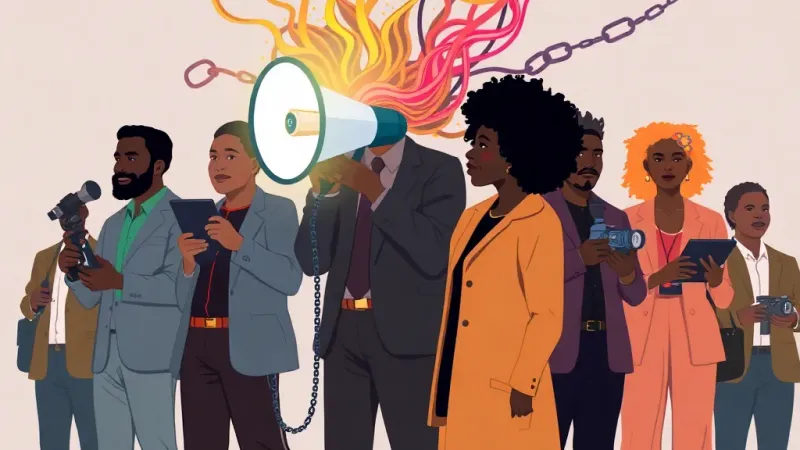
Black journalists, galvanized by a recent regional summit, have strongly reaffirmed their collective resolve to uphold journalistic integrity and amplify underrepresented narratives, particularly within the challenging contemporary media landscape. This decisive stand comes amidst escalating concerns over the proliferation of misinformation, deep-seated systemic biases, and persistent inequities within newsrooms across the nation. The message from the gathering was unequivocal: their voices will not be subdued.
The "Voices Unbound: A Summit for Equitable Reporting," held over three days last week in a prominent regional center, served as a crucial forum for over 200 media professionals, educators, and advocates. Discussions centered on concrete strategies to combat historical and contemporary systemic biases, foster greater newsroom diversity at all hierarchical levels, and ensure accurate, nuanced portrayals of Black communities in an increasingly fragmented media ecosystem.
Dr. Alana Jenkins, a respected media ethicist and the summit's keynote speaker, articulated the profound imperative of this mission. "Our commitment transcends mere reporting; it is to reflect the full, complex spectrum of human experience, especially those narratives historically marginalized or deliberately distorted," Dr. Jenkins declared during her impassioned address. "We stand as vanguards against the insidious erosion of truth, armed with our principles and our platforms, dedicated to holding power accountable and giving voice to the voiceless."
Participants also engaged in rigorous analysis of the dual challenges posed by adapting to the digital age's relentless 24/7 news cycle and countering the pervasive spread of disinformation campaigns. Breakout sessions explored innovative approaches to community-focused investigative journalism, the ethical use of artificial intelligence in reporting, and leveraging emerging social platforms to reach broader audiences directly. A key recurring theme was the unequivocal necessity for news organizations to actively invest in and promote Black journalists, not just in entry-level positions, but crucially, into editorial leadership and executive roles, to genuinely achieve representational equity that translates into diverse news coverage.
This renewed declaration of purpose extends beyond professional solidarity; it represents a vital, enduring push for a more equitable information ecosystem that ultimately benefits all citizens. By ensuring that diverse perspectives are not only present but prioritized in the critical stages of news gathering, editing, and dissemination, the entire media industry stands to gain richer, more comprehensive, and ultimately more truthful coverage of society's complexities. The movement underscores a foundational belief: a truly robust and representative democracy relies on a media that unflinchingly mirrors the multifaceted society it serves, courageously giving voice to every segment.
The collective resolve articulated by these dedicated journalists signifies an unwavering commitment to their craft and the communities they serve. As the media landscape continues its turbulent and often unpredictable evolution, their collective voice promises to remain a potent force for integrity, impact, and transformative change, ensuring that critical stories are told with unwavering truth and refusing to be silenced.