
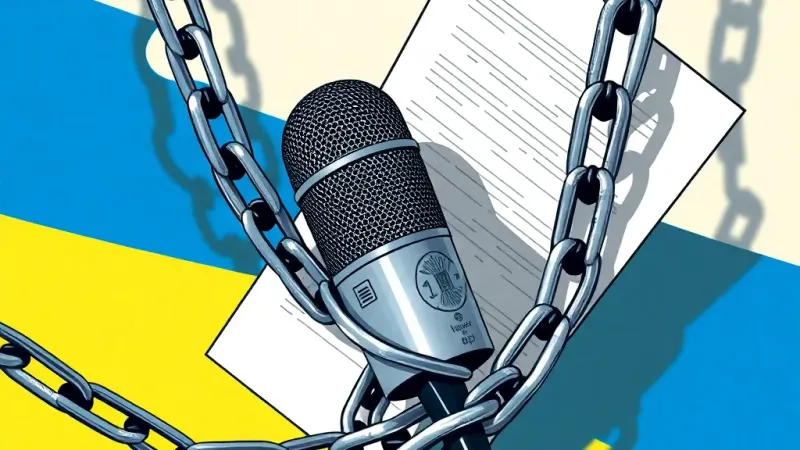
KYIV, Ukraine — A comprehensive draft of Ukraine's Civil Code is currently under parliamentary consideration, but a critical analysis by freedom of expression advocates indicates the legislation contains eleven distinct provisions that could severely impede independent journalism within the country. The proposed changes, if enacted, raise significant concerns about the future of press freedom at a time when Ukraine is striving to align its legal framework with European democratic standards.
Among the contentious articles are those that critics argue broaden the definitions of defamation, potentially increasing legal vulnerabilities for investigative reporters. Other provisions reportedly include stricter requirements for accessing public information, imposing disproportionate financial penalties for perceived inaccuracies, and introducing new mechanisms for 'correction' that could grant subjects undue influence over editorial content. These measures, according to observers, risk fostering a climate of self-censorship among Ukrainian media outlets.
“The implications of these proposed amendments are alarming,” stated Ms. Oksana Bilka, a veteran investigative journalist with the Kyiv Truth Review. “Our role is to hold power accountable and inform the public, especially during these critical times. Creating new legal minefields for journalists will undoubtedly chill critical reporting and weaken our democratic institutions by limiting the public’s access to vital information.” Bilka emphasized that such restrictions could particularly harm outlets investigating corruption or government malfeasance.
Conversely, proponents of the draft code within the Ministry of Justice contend that the revisions are necessary to modernize Ukraine's legal system and protect citizens from the spread of misinformation and reputational damage. “This code aims to balance the right to free expression with the protection of individual rights and public interest,” asserted Dr. Andriy Kovalenko, a legal scholar advising the Ministry. “There is no intention to suppress legitimate journalism, but rather to establish clear, contemporary boundaries for legal responsibility in the digital age, much like many European nations.”
Despite these assurances, media freedom advocates are urging Ukrainian lawmakers to reconsider the problematic clauses. They warn that the passage of the Civil Code in its current form could undermine Ukraine's commitment to democratic principles and its progress toward European Union membership, which mandates robust protections for press freedom. International organizations are reportedly monitoring the situation closely, emphasizing the need for a legislative framework that strengthens, rather than weakens, the media’s ability to operate freely and without undue pressure.


