
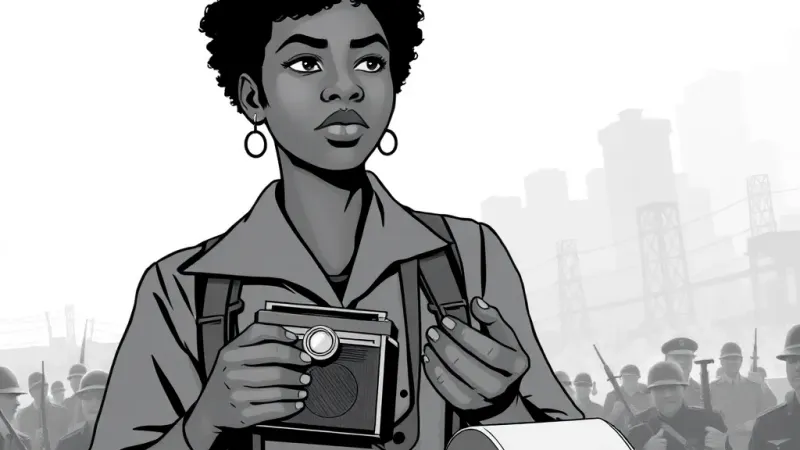
As the nation observed Memorial Day, a critical re-examination of American history has brought forth the often-overlooked valor and perseverance of Black war correspondents. These journalists, who reported from the front lines of both World War I and World War II, not only faced the inherent dangers of conflict zones but also battled deep-seated racial discrimination from their own government and society.
During World War I, Black journalists were compelled to wage a two-front war: documenting the global conflict overseas while simultaneously fighting for the right to report and for equitable treatment within the American military. Their dispatches offered a vital, unfiltered perspective on the experiences of Black soldiers, often contrasting sharply with the sanitized narratives presented by mainstream media. These pioneering reporters provided their communities with news that resonated deeply, detailing acts of bravery and the indignities of segregation faced by troops, even as they served their country with distinction.
Decades later, in World War II, a new generation of Black correspondents took to the field. Their reporting, now being rediscovered and brought back into print, offered crucial insights into the war's impact on communities of color and the ongoing struggle for civil rights at home. They meticulously documented the segregated conditions of the armed forces, the heroism of units like the Tuskegee Airmen, and the aspirations of Black Americans who saw service abroad as a pathway to equality at home. Their work was not merely reportage; it was a potent form of activism, shaping public opinion and fueling the nascent civil rights movement.
These correspondents often faced restrictions on movement, limited access to information, and blatant professional disrespect solely due to their race. Despite these formidable obstacles, their commitment to truth and justice propelled them forward. Dr. Evelyn Thorne, a historian specializing in journalism ethics, remarked, "These journalists were not just chronicling history; they were actively shaping it, ensuring that the full spectrum of the American wartime experience, particularly that of Black service members, was recorded for posterity. Their bravery extended beyond the battlefield to challenging the very structures of discrimination."
The renewed attention to their work underscores the importance of a comprehensive historical understanding of America's conflicts. Their narratives provide invaluable context for understanding racial dynamics within the military and society, highlighting both the sacrifices made and the battles fought for dignity and equality. Memorial Day serves as a poignant reminder not only of those who gave their lives but also of those who dedicated their careers to ensuring their stories, and the stories of their communities, would never be forgotten.


