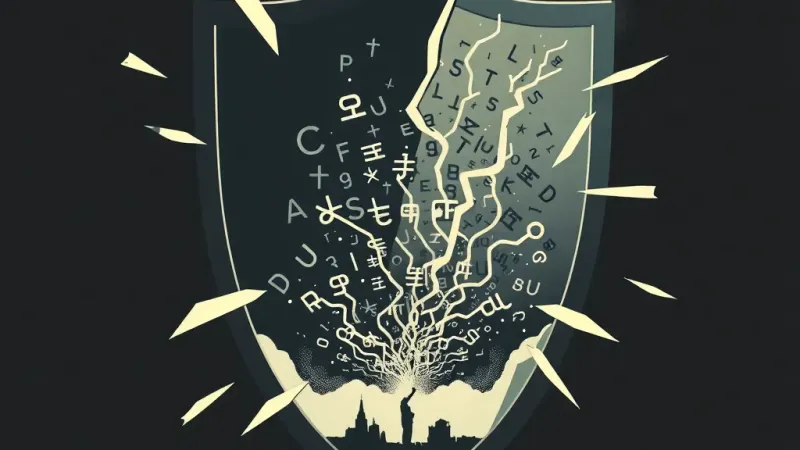
Washington D.C. — Critical tools within the United States government designed to combat foreign disinformation campaigns were significantly weakened during the previous administration, according to recent analyses, potentially affording adversaries such as Iran an expanded operational advantage in the global information space.
The strategic dismantling involved substantial reductions in funding, personnel, and operational scope for key departments and initiatives. The State Department's Global Engagement Center (GEC), specifically tasked with countering foreign propaganda and disinformation from state and non-state actors, experienced significant budgetary pressures and leadership shifts. Furthermore, interagency coordination frameworks, crucial for a unified response to complex digital threats, reportedly atrophied, leaving a fragmented defense against sophisticated influence operations.
This perceived void has presented a strategic opportunity for nations like Iran, which have long engaged in aggressive online propaganda. Iranian state-backed entities are now reportedly leveraging this diminished U.S. capacity to disseminate divisive narratives, sow discord, and promote anti-American sentiment across various digital platforms. Their tactics frequently involve the creation of elaborate fake news networks, social media bot armies, and the amplification of polarizing domestic issues within target countries.
“The effects of these deep cuts are not merely theoretical; they are manifesting in a tangible uptick in the efficacy and reach of adversary propaganda,” stated Dr. Elara Vance, Senior Analyst at the Institute for Strategic Communications. “Rebuilding these capabilities, from specialized linguistic analysts to advanced data science teams, is not an overnight task. Each day we operate with reduced capacity is a day our adversaries exploit to further their geopolitical aims, often at the expense of democratic stability.”
The previous administration's policy shifts were reportedly driven by various factors, including a skepticism towards international engagement and a reevaluation of what was considered effective counter-propaganda. Some within the government at the time argued that certain initiatives were either ineffective or risked encroaching on free speech principles. However, current assessments indicate that the pendulum swung too far, leaving the U.S. underprepared for the evolving landscape of information warfare.
As the current administration seeks to revitalize these critical national security functions, the challenge remains formidable. Lost expertise is difficult to replace, and the technological landscape of disinformation is constantly evolving. “We’re playing catch-up in a race that’s moving at breakneck speed,” remarked Marcus Thorne, a former diplomat specializing in public affairs. “The damage done takes years to repair, and in the meantime, the threats continue to proliferate, requiring urgent and sustained investment to restore our defensive posture.”