
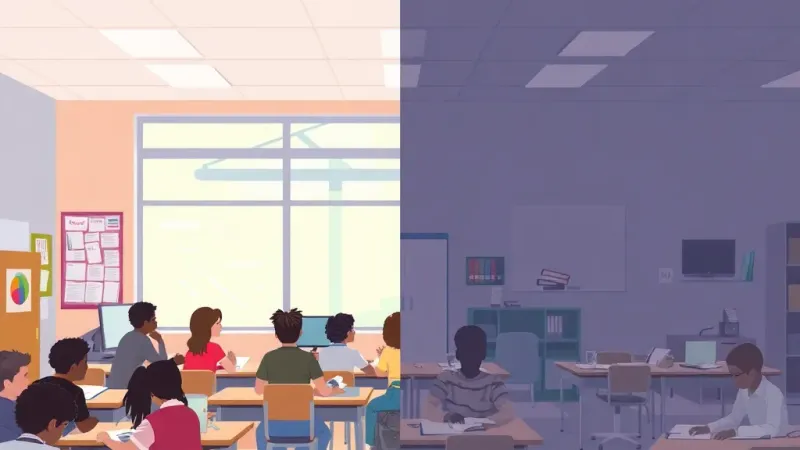
Yakima, WA — The educational landscape of Yakima is currently experiencing a robust public discourse, catalyzed by a commentary piece in the Yakima Herald-Republic last month. The editorial, titled "Bridging the Divide: Rethinking Our Schools' Foundations," challenged the efficacy of current resource distribution models within the Yakima School District, drawing sharp lines of contention and agreement across the community.
The initial commentary highlighted growing disparities in student achievement and extracurricular access between schools in different socioeconomic sectors of the district. It posited that while overall funding had seen modest increases, the method of allocation might be exacerbating existing inequalities, leading to varied opportunities and outcomes for students based largely on their neighborhood of residence. This perspective quickly resonated with some parents and educators who have long advocated for a reevaluation of district priorities.
"The editorial articulated what many of us have felt for years," stated Eleanor Vance, a retired educator with over three decades of experience in Yakima schools. "We see schools in one part of town struggling to fund essential programs, while others seem to have a surplus. It’s not just about money; it’s about equitable access to quality learning environments and opportunities that prepare all our children for the future." Ms. Vance’s sentiments echo a significant portion of community feedback submitted to the Herald-Republic in the weeks following the publication.
However, the commentary also met with skepticism from those who argued it oversimplified complex issues. Mr. David Chen, president of the Parents for Progressive Education group, voiced a counter-perspective. "While the spirit of equity is commendable, the commentary perhaps overlooked the intricate challenges school administrators face. Budget constraints are real, and every dollar is stretched thin. It's too simplistic to suggest a quick redistribution will solve systemic issues tied to broader societal factors beyond the school gates." Chen emphasized the district's ongoing efforts to support all students through targeted interventions and federal programs.
A spokesperson for the Yakima School District, Maria Rodriguez, acknowledged the community’s engagement. "We welcome thoughtful dialogue on how best to serve our students. The district consistently reviews its funding models and program effectiveness, striving for equity and excellence across all our institutions. We are currently analyzing recent assessment data and community input to inform our strategic planning for the upcoming academic year, always aiming to enhance opportunities for every child in Yakima." The district maintains that its resource allocation is transparent and designed to meet diverse student needs, though it remains open to refining its approach.
The ongoing debate signals a critical juncture for Yakima's education system. As stakeholders continue to weigh in, the discussion moves beyond simple critiques to a more profound examination of community values and the collective vision for its children's future, promising continued scrutiny and potentially, significant policy adjustments in the months ahead.


