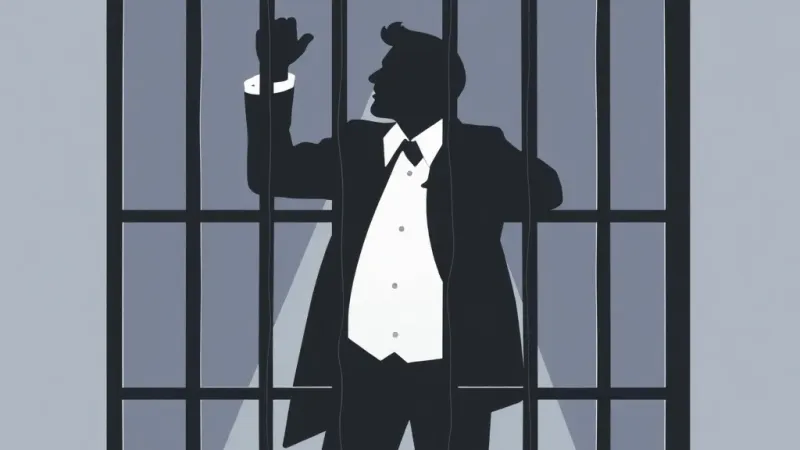
A prominent figure in the nation's cultural landscape, actor Lotfi Abdelli, has been handed a prison sentence, igniting a fervent debate across artistic, legal, and human rights communities. The verdict, stemming from charges related to a satirical play, has been vehemently condemned by Abdelli and his supporters, who view it as a grave assault on freedom of expression.
The specific details of the judicial decision, which delivered a period of incarceration to the celebrated performer, were linked to content presented during his widely acclaimed satirical stage production. While precise accusations have remained largely confined to legal circles, sources close to the case suggest the charges revolve around alleged offenses to public morals and the disparagement of national institutions. Abdelli, known for his incisive wit and often provocative commentary on socio-political issues, has consistently leveraged satire as a vehicle for public discourse, making this sentence a chilling precedent for artists in the country.
Following the announcement, a wave of indignation has swept through cultural circles. “This is not merely an attack on Mr. Abdelli; it is an attack on the very principle of artistic liberty and the right to critique,” stated Mr. Karim Ben Salah, head of the National Association for Artistic Freedoms, in a press statement. “Satire, by its very nature, pushes boundaries and challenges conventions. Criminalizing it sends a dangerous message that dissent will not be tolerated, stifling creativity and public debate.”
The case underscores a growing tension between artistic expression and judicial interpretations of acceptable public discourse. Advocates for free speech argue that such rulings risk isolating the nation on the global stage, where robust artistic freedoms are often seen as a cornerstone of democratic societies. Dr. Amina Zahra, a prominent cultural analyst, emphasized the chilling effect this verdict could have. “When artists fear legal repercussions for their creative works, the entire society suffers. It leads to self-censorship and a less vibrant, less honest public sphere,” she remarked during an impromptu online forum.
While official statements regarding the specific legal justifications have been minimal, observers note the increasing scrutiny over cultural content perceived as critical of state policies or societal norms. The judicial process, which culminated in Abdelli's sentence, has been criticized by his legal team for its speed and the perceived lack of consideration for the artistic context of the performance. As appeals are reportedly being prepared, the international community watches closely, anticipating the broader implications of this ruling on the future of free expression and artistic freedom within the nation.