London, UK – October 5th marks a significant anniversary in the annals of comedic history: 57 years since the premiere of "Monty Python's Flying Circus." What began as a seemingly innocuous sketch show on BBC television in 1969 rapidly evolved into a cultural phenomenon, fundamentally reshaping the conventions of humor and solidifying its place as one of the most influential forces in entertainment.
The genesis of this groundbreaking troupe brought together six distinct and brilliant minds: Graham Chapman, John Cleese, Terry Gilliam, Eric Idle, Terry Jones, and Michael Palin. Graduates predominantly from Oxford and Cambridge, these writers and performers converged with a shared ambition to transcend the traditional joke-setup-punchline format prevalent in British comedy. Their collective vision was to craft a surreal, anarchic, and intellectually adventurous brand of humor that challenged audience expectations and often defied logical progression.
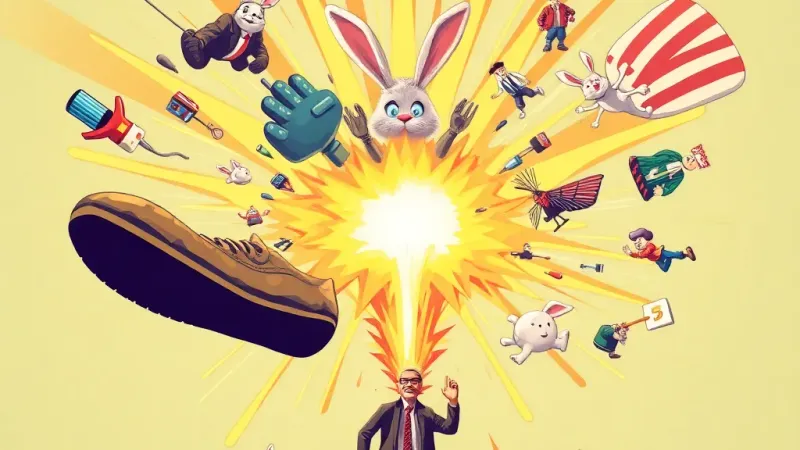
"Monty Python's Flying Circus" quickly became synonymous with its unique blend of absurdism, non-sequiturs, and Gilliam's distinctive animated sequences that bridged otherwise disparate sketches. Famous for its refusal to adhere to conventional endings – often abruptly cutting to another scene or simply having a character declare, "And now for something completely different" – the show cultivated an unparalleled sense of unpredictable joy. Iconic sketches such as the "Dead Parrot" sketch, the "Argument Clinic," and the relentless chanting of "Spam" are not merely memorable; they are pillars of comedic innovation that continue to resonate.
The troupe's influence extended far beyond television. Their films, including "Monty Python and the Holy Grail" and "Life of Brian," achieved cult status and critical acclaim, further cementing their legacy. Generations of comedians, writers, and artists have cited Monty Python as a seminal inspiration, demonstrating its pervasive impact on subsequent comedy series, theatrical productions, and even internet culture, where their quotes and concepts are perpetually recirculated.
Today, 57 years on, the enduring appeal of Monty Python remains undiminished. Its sketches are still quoted, its films still celebrated, and its innovative spirit continues to inspire new creative endeavors globally. Dr. Eleanor Vance, a professor of media studies at Sterling University, observed, "Monty Python didn't just tell jokes; they dismantled the very mechanics of comedy and rebuilt them in their own absurd image, creating a blueprint for future generations of satirists and humorists. Their work is a timeless testament to the power of unbridled creativity."