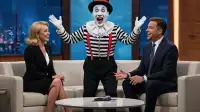
Comedian Druski's latest viral skit, humorously titled "British Actors," has rapidly transcended its comedic intent, igniting a fervent "diaspora war" across social media platforms. The sketch, which playfully lampoons the phenomenon of American actors adopting British accents and mannerisms for roles, particularly within the entertainment industry, has garnered millions of views and sparked an intense debate on cultural representation, authenticity, and comedic boundaries among viewers worldwide. What began as a lighthearted poke at an industry trend has quickly evolved into a complex online discourse, highlighting deep-seated conversations within the Black diaspora regarding identity, portrayal, and the very nature of performance.
The skit itself features Druski and fellow collaborators portraying a group of "British actors" who are, in reality, distinctly American, attempting to maintain their adopted personas with varying degrees of success. Their exaggerated pronunciations, dramatic pauses, and often misguided cultural references form the core of the humor, tapping into a widely observed trend where actors from one background frequently portray characters from another. The comedic genius, according to many fans, lies in its sharp observational humor and Druski's uncanny ability to mimic and exaggerate these nuances, making it instantly recognizable and shareable. The video’s quick cuts and deadpan delivery amplify its satirical edge, leading to an almost immediate explosion of reactions.
However, the laughter quickly gave way to a broader, more contentious discussion. The "diaspora war" primarily unfolds between those who view the skit as harmless, relatable satire and those who perceive it as potentially reductive or an oversimplification of complex cultural identities. On one side, many, particularly within American online communities, found the humor incisive, highlighting a perceived trend in Hollywood casting. "It's just funny because it's true," commented Lena Hayes, an online commentator from Atlanta. "Everyone knows an actor who suddenly gets an accent when they land a certain role." Conversely, segments of the British Black community, and some continental African viewers, expressed discomfort, arguing that the skit inadvertently perpetuated stereotypes or trivialized genuine cultural distinctions. Kwame Nkrumah-Jones, a cultural critic based in London, observed, "While Druski's intent may be comedic, it touches upon a sensitivity within the diaspora regarding who gets to tell whose story, and how those stories are represented on a global stage."
The intensity of the reactions underscores the ongoing, often nuanced, conversations surrounding identity and authenticity within the Black diaspora. This isn't the first time a piece of media has inadvertently catalyzed such a debate, underscoring the deep care and passionate ownership many feel towards their cultural heritage. The engagement metrics for Druski's video remain exceptionally high, proving its undeniable impact regardless of the differing interpretations. Beyond the immediate humor, the skit has become a cultural touchstone for examining how online content can both entertain and inadvertently spark profound discussions about representation, particularly when dealing with the intricacies of accents, heritage, and the global entertainment landscape. The conversation continues to evolve, reflecting the dynamic nature of cultural identity in the digital age.